A Draft for Conventional Monoclonal Antibodies
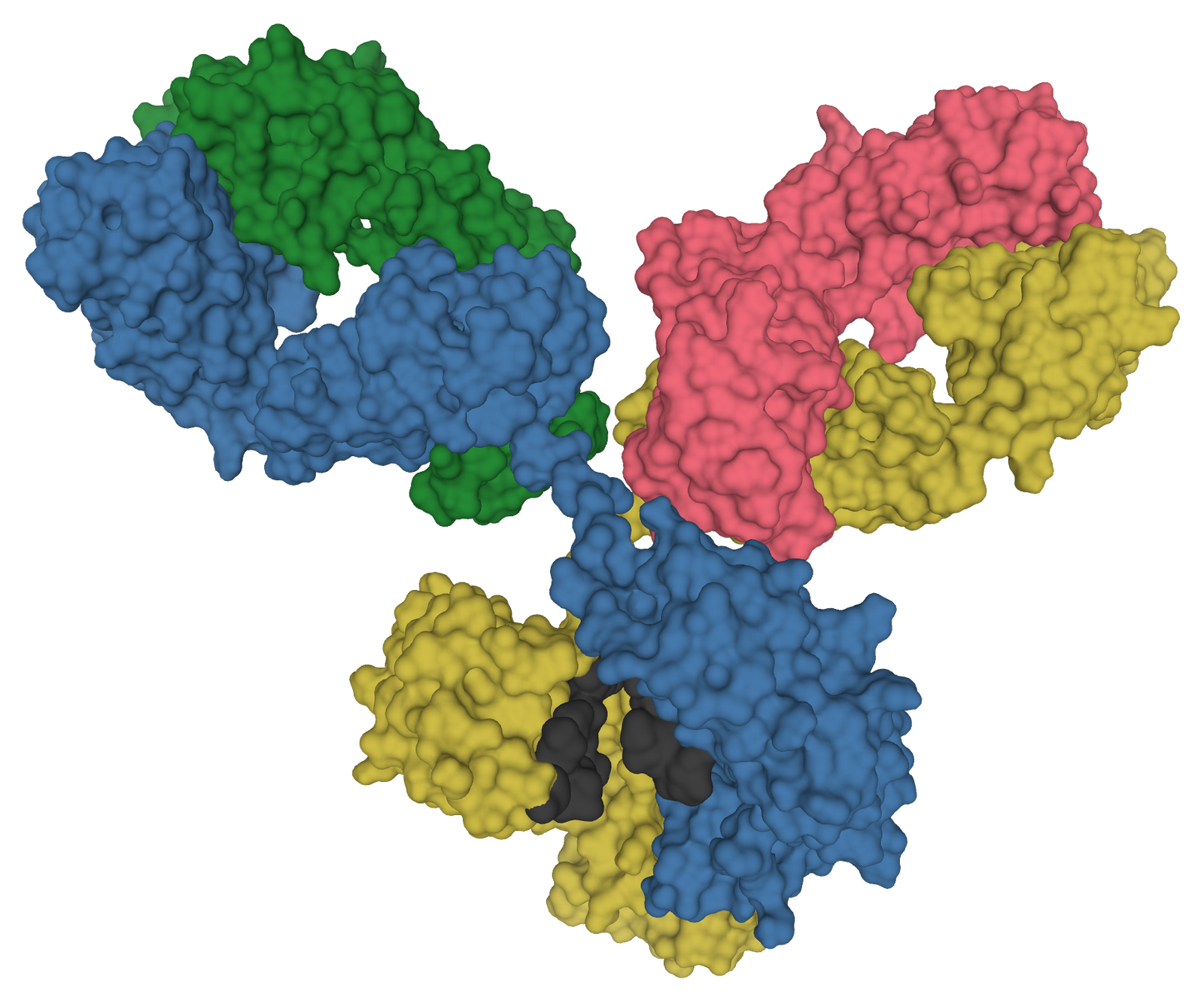
China’s Center for Drug Evaluation (CDE), part of the National Medical Products Administration, issued a consultation draft in August 2026 on reducing or replacing animal studies for monoclonal antibodies. Its scope is conventional monoclonal antibodies, corresponding to immunoglobulins with the International Nonproprietary Name suffixes -tug and -bart. Complex antibody constructs, excipients and impurities are outside its scope.
The draft’s rationale rests on the pharmacology of these products. Toxicity is often associated with target distribution, target function and exaggerated pharmacological effects. Immunogenicity in animals can accelerate clearance or produce secondary immune reactions, complicating interpretation of the intended pharmacology. The draft therefore emphasizes the combined assessment of target biology, clinical experience and study findings.
Organoids and Computational Models Within the Evidence Base
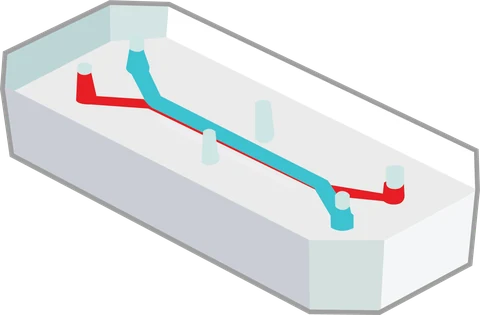
The proposed approach combines limited animal studies with genomics, proteomics, cell and tissue studies, organoids, organ chips and computational models, alongside clinical and drug-class information. Together, these sources can help characterize human target function, drug specificity and potential adverse effects.
Selection of an animal species still depends on relevant target biology, pharmacological response and the feasibility of repeated dosing. Where both rodent and non-rodent species are relevant, the draft allows one relevant species for short- and long-term general toxicity studies. If a clinical finding requires further investigation in a particular species, additional work may be needed.
Where no relevant species exists, transgenic animals or surrogate molecules may be considered, but each has limitations and may be impractical for some products. Target information, human-relevant in vitro endpoints, class experience and computational toxicology can contribute to the risk assessment regardless of whether these animal options are used.
When Three Months May Be Sufficient
For monoclonal antibodies intended for indications other than advanced cancer, the draft proposes that a three-month general toxicity study may support a marketing application following a sufficient weight-of-evidence assessment. Relevant evidence includes target expression and function, selectivity and mechanism, short-term toxicity and exposure data, clinical findings and experience with antibodies against the same target.
A shorter program may be unsuitable when toxicity remains unexplained, a serious risk cannot be monitored adequately in humans and is not sufficiently revealed within three months, the target is widely expressed, or a novel target carries substantial uncertainty. Where the evidence does not support reducing testing, the draft calls for a six-month general toxicity study.
Longer studies may also become uninformative or infeasible because immunogenicity reduces exposure or pharmacological toxicity, such as immunosuppression, causes animal deaths. In such cases, the draft proposes assessing longer-term risk using the available animal findings together with other evidence.
Replacement Remains a Product-Specific Decision
General animal toxicity studies may be replaced when no relevant species exists and non-animal evidence adequately characterizes potential risks, or when experience with several antibodies against the same target shows that animal testing cannot usefully predict human toxicity. Each decision depends on the evidence for the particular product.
For the replacement scenarios it describes, the draft nevertheless recommends a short exploratory animal study before clinical trials to examine safety pharmacology, formulation-related safety and some pharmacokinetic information. Computational approaches such as quantitative systems pharmacology may help justify the first clinical dose.
The draft also refers to existing International Council for Harmonisation (ICH) advice on reducing animal numbers, including recovery-group design. It calls for study designs consistent with replacement, reduction and refinement while preserving the information needed for scientific assessment.
Other Endpoints and Combination Treatments
Reproductive risk assessment starts with target expression and function in reproduction and development, antibody selectivity, placental transfer and expected fetal exposure, and experience with products against the same target. Relevant animal work is considered when the weight of evidence and alternative tests do not adequately resolve the risk.
Carcinogenicity is also evaluated using a weight-of-evidence approach, with non-animal methods favored where a potential concern requires investigation. Immunotoxicity may be examined in vitro or through observations in general toxicity studies; a dedicated animal study is considered when a specific risk needs further characterization. For pediatric use, the same weight-of-evidence approach informs whether additional nonclinical work is needed.
For combination treatments, existing single-agent clinical and nonclinical data and experience with comparable combinations can inform risk assessment. Where uncertainty remains, the draft prioritizes non-animal tests directed at the relevant endpoint and encourages computational analysis. Combinations developed from the outset without single-agent clinical safety information may still require animal toxicity studies when feasible.
Changes in the intended population, pharmaceutical characteristics or route of administration are also assessed according to the risks they introduce. The document remains a consultation draft.