
FDA’s 2025 Roadmap Sets Out a Stepwise Transition to Human-Relevant Safety Testing
The roadmap begins with monoclonal antibodies and proposes combining human-cell systems, computational models and existing human evidence. It links reduced animal testing to validation, defined uses and monitored development outcomes.
- Issuing Authority
- Food and Drug Administration
- Jurisdiction
- United States
- Document Covered
- Roadmap to Reducing Animal Testing in Preclinical Safety Studies and related announcement, 10 April 2025; a prospective strategic plan.
Monoclonal Antibodies as the Starting Point
On 10 April 2025, FDA announced a roadmap for reducing animal testing in preclinical safety studies. The plan identifies monoclonal antibodies as an initial focus, with later expansion envisaged to other biologics and drug categories. Human-derived experimental systems, computational methods and existing human safety information form the proposed evidence base for a stepwise transition.
The roadmap connects the scientific question with the limitations of a particular animal model. For antibodies, target and species specificity, animal immune responses and differences in downstream biology can affect the relevance of safety findings. The plan therefore considers how a set of complementary methods might address the risks of a product in humans.
Combine Experimental and Computational Evidence
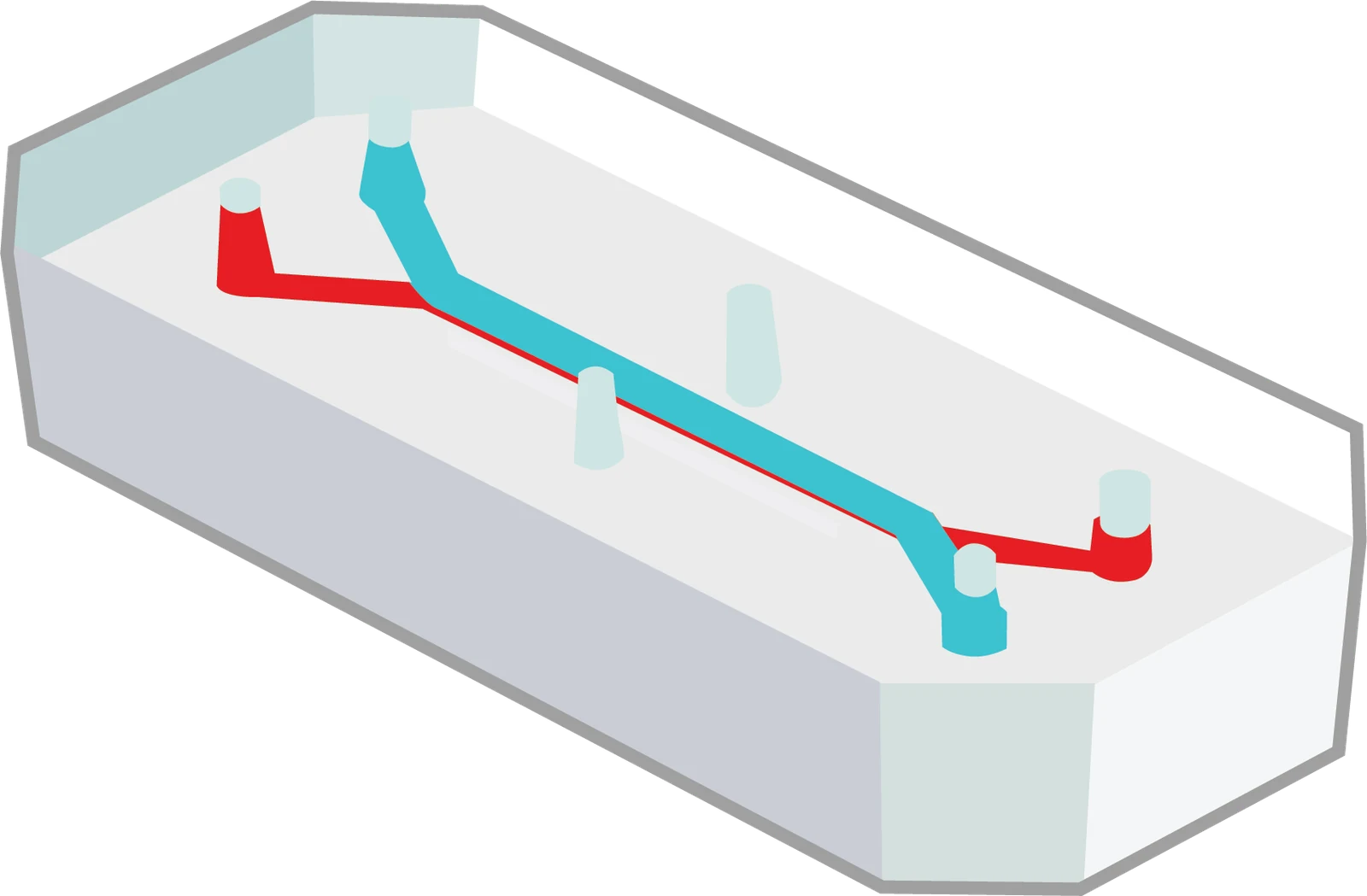
Human organoids and microphysiological systems can examine tissue functions and drug effects in human-derived material. Examples in the roadmap include hepatic injury, cardiac function and immune responses. Ex vivo human tissue and cell panels provide additional settings for investigating a defined safety or pharmacological question.
Computational approaches include physiologically based pharmacokinetic modeling, quantitative systems pharmacology and predictions based on molecular or sequence features. These tools can address exposure, target interactions and potential toxicity. The roadmap proposes integrating information across methods so that the combined package addresses the biological processes relevant to the product.
Build Experience Through Development Programs
FDA encourages developers to submit NAM data alongside animal data in investigational new drug (IND) and biologics license application (BLA) packages. The plan envisages pilot cases in which strong scientific justification could support replacing a particular animal study, with outcomes followed through clinical development. It also proposes greater use of suitable human data from countries with comparable regulatory standards.
For monoclonal antibodies without concerning findings, the roadmap considers reducing routine six-month primate studies to three months, supported by shorter-study and NAM evidence. It also discusses evaluating shorter programs in other drug categories. These are elements of the 2025 implementation plan, whose use depends on the scientific evidence and the particular development setting.
Validate Against Relevant Outcomes
The roadmap proposes mapping critical endpoints and use cases, then identifying the gaps that a method would need to address. Retrospective studies can compare predictions with known drug toxicities, while prospective comparisons can examine performance alongside development and clinical observations. Independent laboratories and standardized procedures are important for assessing reproducibility.
Qualification through drug-development-tool pathways is another proposed route. A defined context of use gives the assessment a specific purpose and determines the evidence needed. Guidance, case examples and reviewer training are intended to help developers understand how to present human-relevant data and how those data may support a reduced animal-testing program.
Create Shared Data and Measure the Transition
FDA proposes an open repository connecting international animal and human toxicity information to support model development and evaluation. Collaboration through the Interagency Coordinating Committee on the Validation of Alternative Methods would bring together federal expertise, laboratories and validation resources. International guideline work is also part of the plan.
The roadmap identifies outcomes to track, including animal use, testing costs, safety signals first detected in humans and time from an IND to approval. Its longer-term vision, framed over three to five years, is for validated NAM-based evidence to become the default where the relevant safety questions can be answered. Monitoring actual safety and development outcomes is intended to guide subsequent adjustments.