A Shared Position, With a Long-Term Goal
The International Coalition of Medicines Regulatory Authorities (ICMRA) has issued a joint statement calling on developers, manufacturers, regulators and national control laboratories to advance non-animal approaches for human medicines. The European Medicines Agency, the UK Medicines and Healthcare products Regulatory Agency, Ireland’s Health Products Regulatory Authority and Swissmedic developed the text, which the ICMRA plenary adopted.
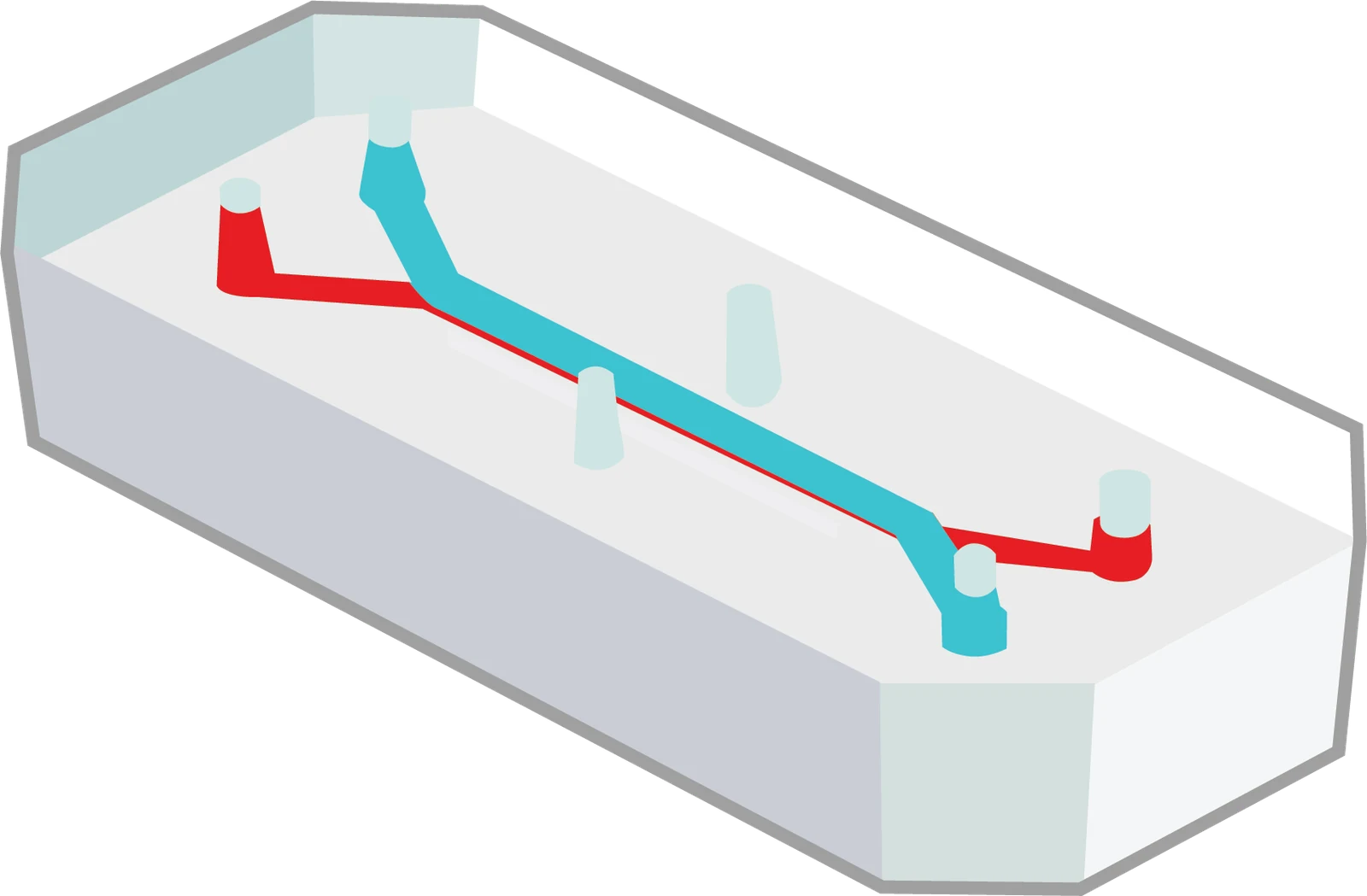
The coalition describes a long-term goal spanning candidate screening, development, nonclinical testing, licensing and post-authorisation work. Its examples include physicochemical and immunochemical tests, human-derived cells and tissues, microphysiological systems, computational analyses and human-derived data. ICMRA calls for scientific validity and assessment of regulatory acceptability for a method’s proposed use.
Acceptance Can Be Method-Wide or Product-Specific
ICMRA says non-animal evidence may be assessed through formal validation or qualification for broad applications, or within an individual product review. It expects a gradual, weight-of-evidence transition for general toxicity, reproductive toxicity and carcinogenicity studies, as well as pharmacodynamic and pharmacokinetic work.
The document points to regulatory precedents as well as future work. For certain product classes, such as generics and follow-on biologics in most regions, animal data are generally not required without a specific justification. When there is no pharmacologically relevant animal species, cellular assays and kinetic modeling may contribute to the evidence. ICMRA also sees a role for harmonized ICH guidance, either through revision of existing texts or new guidance, to make expectations more consistent.
Batch Release Offers the Greatest Scope to Reduce Animal Use
For routine batch-release testing, ICMRA sees the greatest potential reduction in animal use. It urges regulators to encourage suitable non-animal tests, challenge proposals to use animals, and approve animal-based batch-release tests only with robust scientific justification that no equivalent or better non-animal method is available.
A practical obstacle is that authorities do not always accept the same replacement at the same time. A manufacturer may have a non-animal batch-release method accepted in one jurisdiction while another still requires an animal test. ICMRA calls for review of those mismatches as part of the effort to reduce unnecessary testing. It asks authorities to align quality expectations internationally where possible.
Implementation will depend on regional legal mechanisms and may proceed at different speeds. The statement discusses possible incentives, including earlier regulatory meetings and, where feasible, waived advice or qualification fees. These are approaches for authorities to consider, rather than a new globally available fee-waiver scheme. During the transition, animal and non-animal methods may coexist, with reduction and refinement still relevant when full replacement is not yet possible.