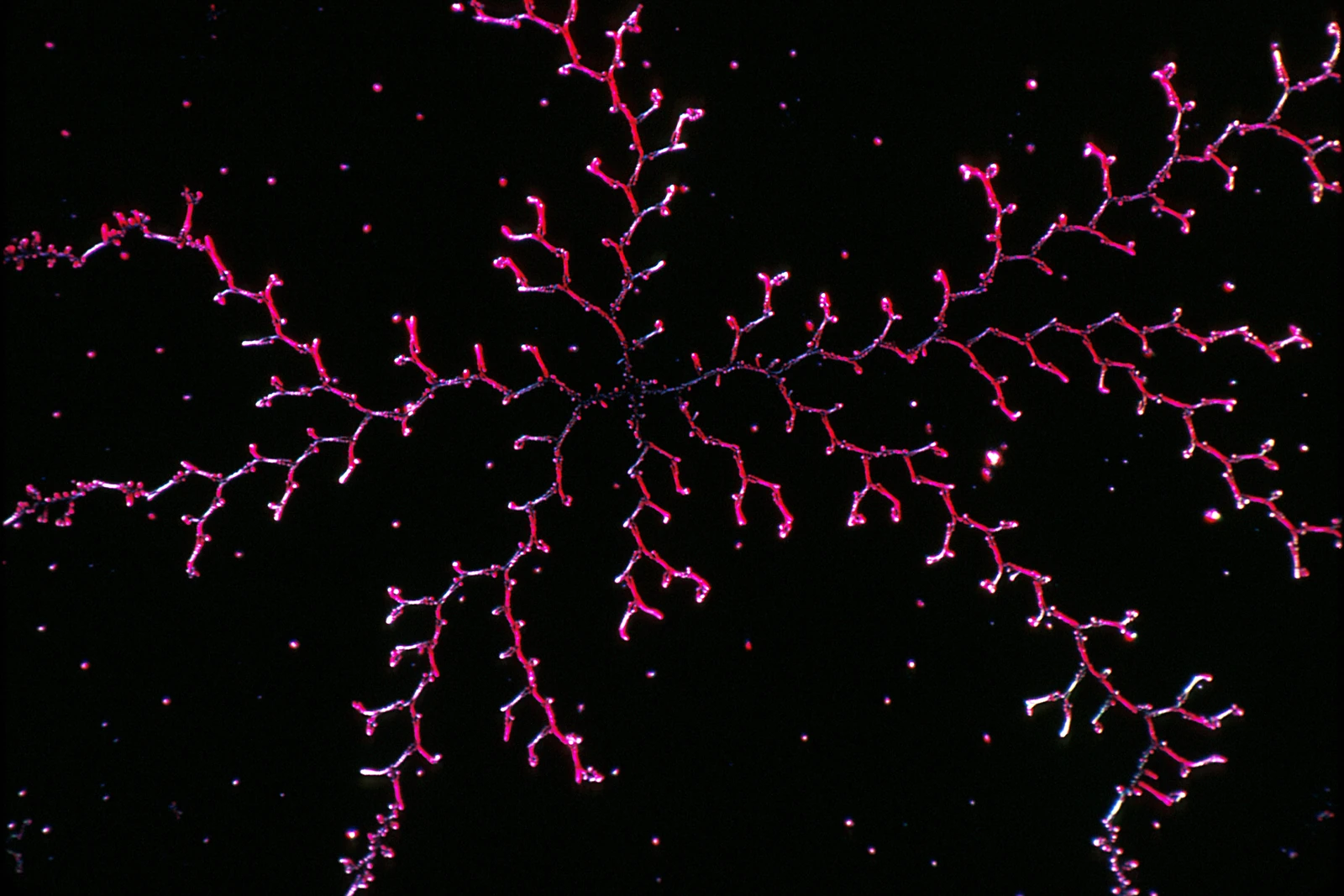
Mechanistic screening and prioritization within a focused platinum-drug kidney-injury case study.
Model & Design
One conditionally immortalized human proximal-tubule epithelial cell line; static differentiated monolayers.
Experimental Format
Mechanistic exposures: cisplatin 5/10/20 μM, oxaliplatin 15/30/60 μM and carboplatin 60/120/240 μM, each with untreated controls; 24/48/72-hour injury measurements and a separate 2–48-hour ROS time course. These selected ranges are distinct from PrestoBlue viability range-finding and the 72-hour IC50 estimates.
Model Components
Component
Cells and compounds
Description
ciPTECs supplied by Cell4Pharma; cisplatin, oxaliplatin and carboplatin; at least three independent biological repeats with three technical replicates per condition.
Component
Endpoint panel
Description
PrestoBlue metabolic activity, JC-10 mitochondrial potential, fluorescent ROS probe, LDH leakage and extracellular NAG activity; matched controls and endpoint-appropriate positive controls where reported.
Measurements & Endpoints
Metabolic viability and IC50
Mitochondrial depolarization
Reactive oxygen species
LDH release
NAG activity
Analysis
Compare endpoint sensitivity, potency and time pattern within each drug’s selected range. Injury-event ordering is descriptive; no quantitative key-event relationship model was fitted.
Published Evidence
Study Design
Profile three related platinum agents with different cytotoxic potencies across linked stress/injury assays.
Study Sample
Single cell line; three compounds; at least three biological repeats and technical triplicates per condition.
Comparison
Time-matched untreated/vehicle controls, compound-specific viability ranges and assay positive controls; no separate lysosome-specific positive control.
Finding
72-hour viability IC50: cisplatin 10.5 μM, oxaliplatin 45.5 μM, carboplatin 97.0 μM. Mitochondrial effects were generally most sensitive; reactive oxygen species (ROS) were robust for cisplatin, modest/transient for oxaliplatin and minimal/inconsistent for carboplatin. NAG largely tracked late membrane injury.
Interpretation & Limits
No formal quantitative causal/key-event relationship model.
NAG release is not direct proof of lysosomal destabilization.
DNA adducts, renal transport/reabsorption and specific death pathways were not measured.
One immortalized line, one drug class, static culture and acute exposure limit generalization.
Human proximal-tubule cells showed distinct responses to cisplatin, oxaliplatin and carboplatin across five assay endpoints. Mitochondrial depolarization was generally more sensitive than overt injury, while oxidative-stress responses varied and lysosomal-enzyme release largely tracked later membrane damage.