Compartment-Specific Plasminogen Injury and Amiloride Response in H9 Kidney Organoids
A human kidney organoid assay compares glomerular, proximal and distal responses to plasminogen, with uPA inhibition and tissue injury assessed separately.
Mechanistic assessment of proteinuria-associated injury and partial pharmacological recovery in human kidney tissue.
Model & Design
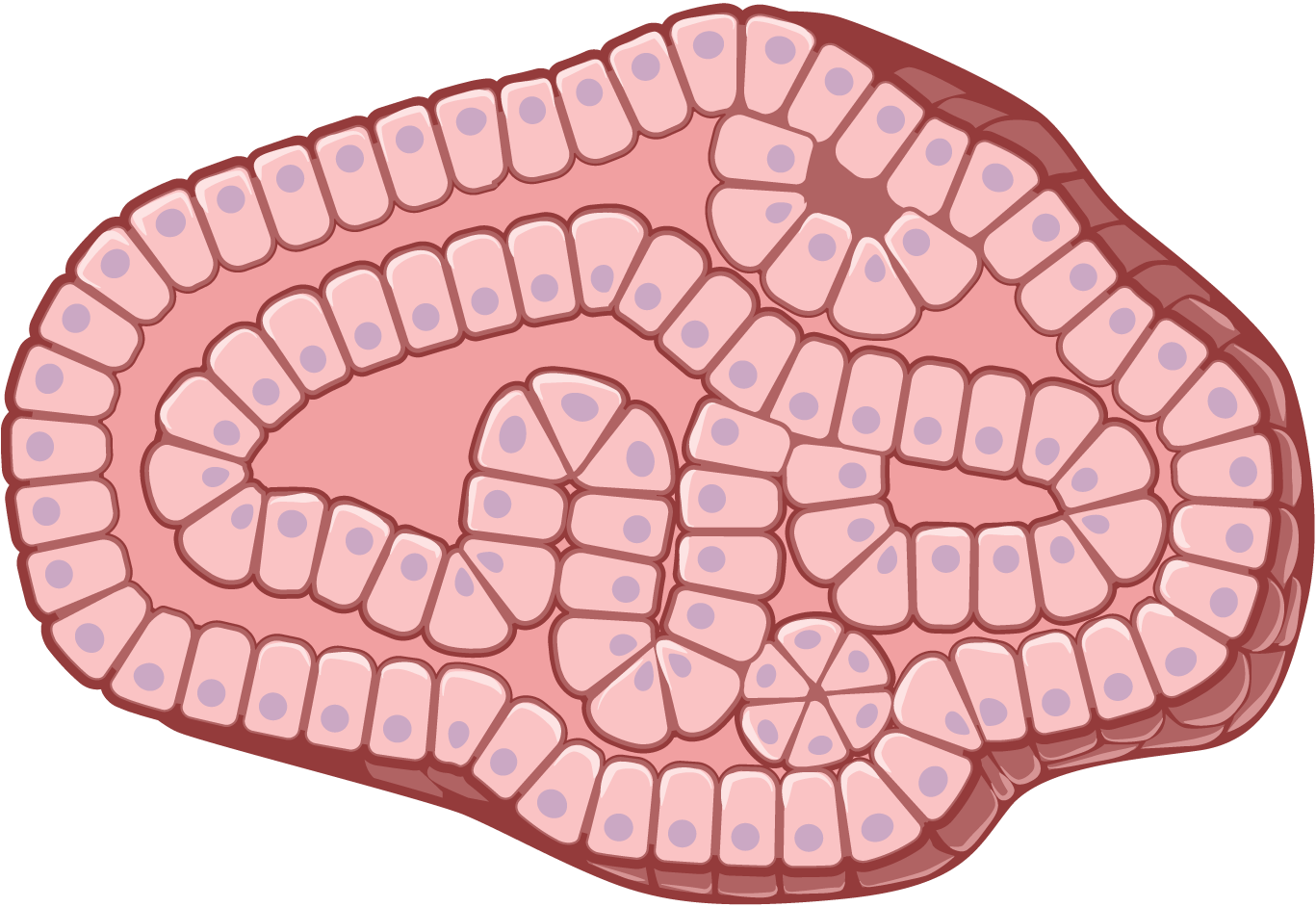
Kidney organoids differentiated from the H9 human embryonic stem-cell line, with podocyte-associated, proximal and distal tubular regions.
Experimental Format
Plasminogen at 0.25 μM with or without amiloride at 10 μM for 24 hours; fluorescence uPA activity assay, compartmental imaging and pooled-organoid qPCR.
Model Components
Component
Human tissue and exposures
Description
H9 organoids, human plasminogen, amiloride and batch-matched vehicle controls.
Compartment-specific marker intensity and nuclear density
Cleaved caspase-3
Podocyte and tubular gene expression
Analysis
Normalize tissue measurements to controls from the same differentiation batch. Keep individual-organoid imaging separate from pooled RNA biological replicates.
Published Evidence
Study Design
Compare plasminogen alone with matched controls and plasminogen–amiloride co-treatment; evaluate enzyme inhibition separately.
Study Sample
uPA: 3 biological replicates with technical triplicates; qPCR: 6 biological replicates, each pooling 8–12 organoids. One H9 genetic background.
Comparison
Batch-matched vehicle controls; glomerular, proximal and distal compartments.
Finding
Amiloride inhibited uPA with IC50 of 3.91 μM. Selected podocyte/transcript markers improved, while elevated apoptosis persisted; distal regions were relatively preserved.
Interpretation & Limits
The model lacks a functioning vascular filtration barrier and exposes the organoid through surrounding medium.
Only one stem-cell genetic background was tested.
Marker recovery and variable transcript responses did not establish complete prevention of cellular injury.
Human embryonic-stem-cell-derived kidney organoids showed compartment-specific injury after plasminogen exposure. Amiloride inhibited uPA activity and restored some markers, while apoptosis remained elevated.