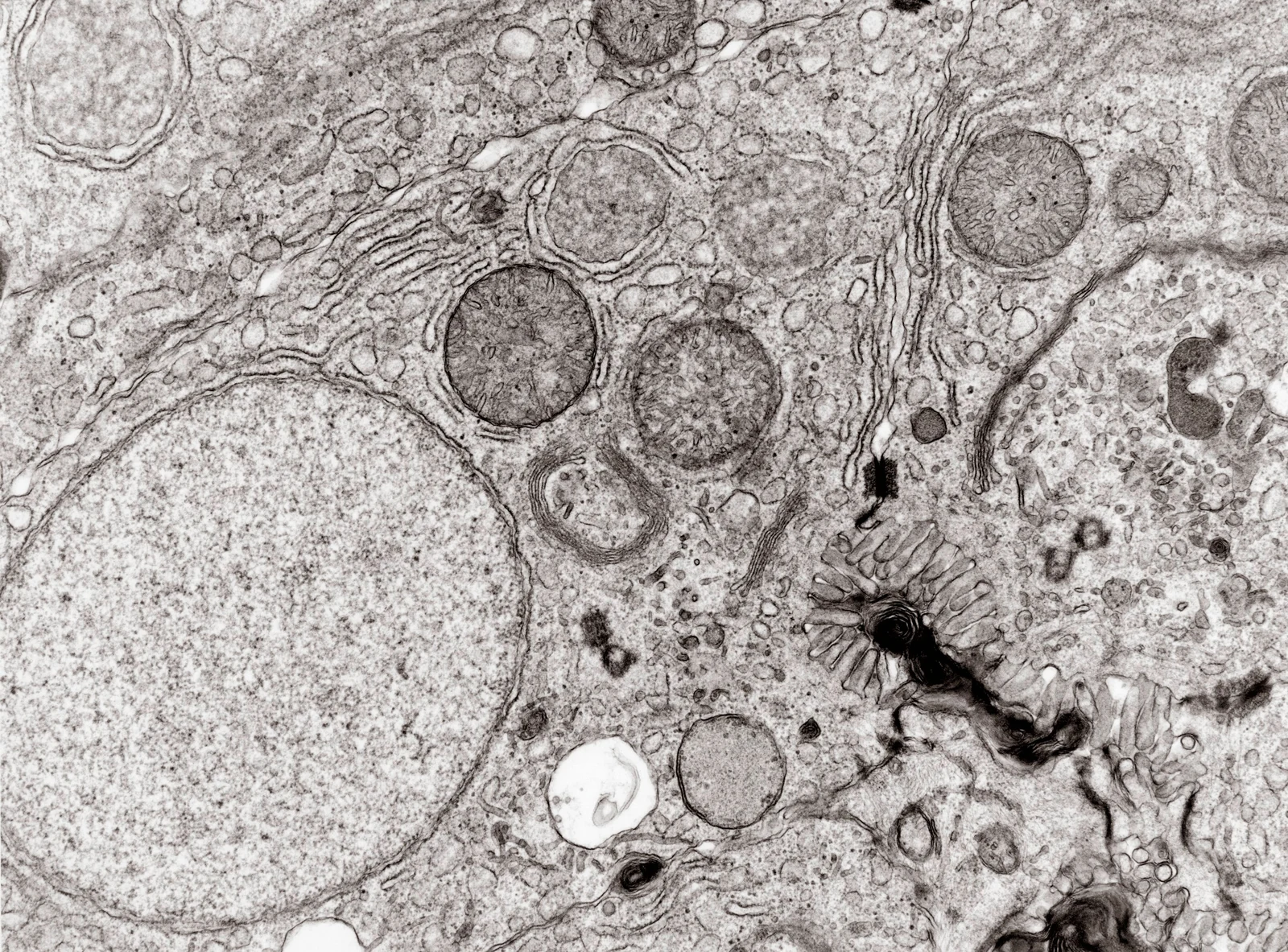
Cross-Species Primary Hepatocyte Comparison in Static and Perfused Cultures
Four species are compared across monolayers, static spheroid-format cultures and perfused microtissues, with biochemical and transcriptomic drug-injury endpoints.
Investigate species-specific drug-induced liver injury (DILI) signals and determine whether perfusion adds value for a defined hepatocyte lot and drug question.
Model & Design
Primary human, cynomolgus-monkey, Wistar-rat and beagle-dog hepatocytes; single human/monkey/dog donors and a pooled rat lot.
Experimental Format
Fourteen-day monolayer, static Elplasia and perfused HUMIMIC Chip2 cultures; repeated drug dosing begins on day 6.
Model Components
Component
Cell preparations
Description
Human lot IIN selected for spheroid formation; monkey VRX, rat JJU and dog JEO. Animal lots were not equivalently spheroid-qualified.
Component
Culture formats
Description
Static monolayers, static microwell aggregates/spheroids and perfused microtissues. Compact spheroids formed consistently in the human preparation, not all species.
Component
Drug panel
Description
Chlorpromazine, bosentan and fialuridine (FIAU) in static concentration-response comparisons; only FIAU at 100 μM in the lower-throughput perfused system.
Measurements & Endpoints
Albumin and urea secretion
Lactate dehydrogenase (LDH) and aspartate aminotransferase (AST)
Culture-associated absorption, distribution, metabolism and excretion (ADME) transcript changes
FIAU differential gene expression and pathway enrichment
Analysis
Normalize biochemical values to initial seeding density or day-matched vehicle as specified for each analysis. Preserve species, time, platform and replicate unit; lower released-enzyme signal can accompany cell loss. Interpret transcriptomic signatures alongside exposure and biochemical results.
Published Evidence
Study Design
Compare species-dependent drug responses across static and perfused formats.
Study Sample
Static drug conditions n = 3; perfused FIAU n = 2. One human/monkey/dog donor and pooled rat lot.
Comparison
Day-matched vehicle controls and static concentration-response conditions; perfused FIAU at 100 μM only.
Finding
Human static cultures gave clearer FIAU responses. Static spheroids showed albumin reduction without significant LDH/AST increases; perfused biochemical trends were nonsignificant. FIAU altered 1,705 genes in human monolayers and 1,724 in static spheroids, with about two-thirds overlapping; the perfused response was attenuated.
Interpretation & Limits
Perfusion tested one compound/concentration, preventing a broad three-platform drug-panel accuracy comparison.
The source gives inconsistent overall/static compound ranges and dosing-end descriptions; Methods says through day 14 whereas Results states four doses on days 6–12. Exact full-range reconciliation is unresolved.
Some rat static transcriptomic samples were lost; donor-population variability was not assessed.
Human spheroid qualification and unusually functional monolayers limit generalization of the modest perfusion benefit.
Primary hepatocytes from humans, monkeys, rats and dogs were compared in monolayers, static aggregates and perfused microtissues. Static human cultures detected fialuridine responses, while the low-throughput perfused comparison showed weaker, nonsignificant biochemical changes.