Method Profile

Adult-to-Pediatric PBPK Exposure Assessment for Tedizolid

An adult tedizolid model is scaled using age-dependent physiology, assessed against independent pediatric clinical data, and used to compare candidate regimens.

Multiple OrgansComputational Models
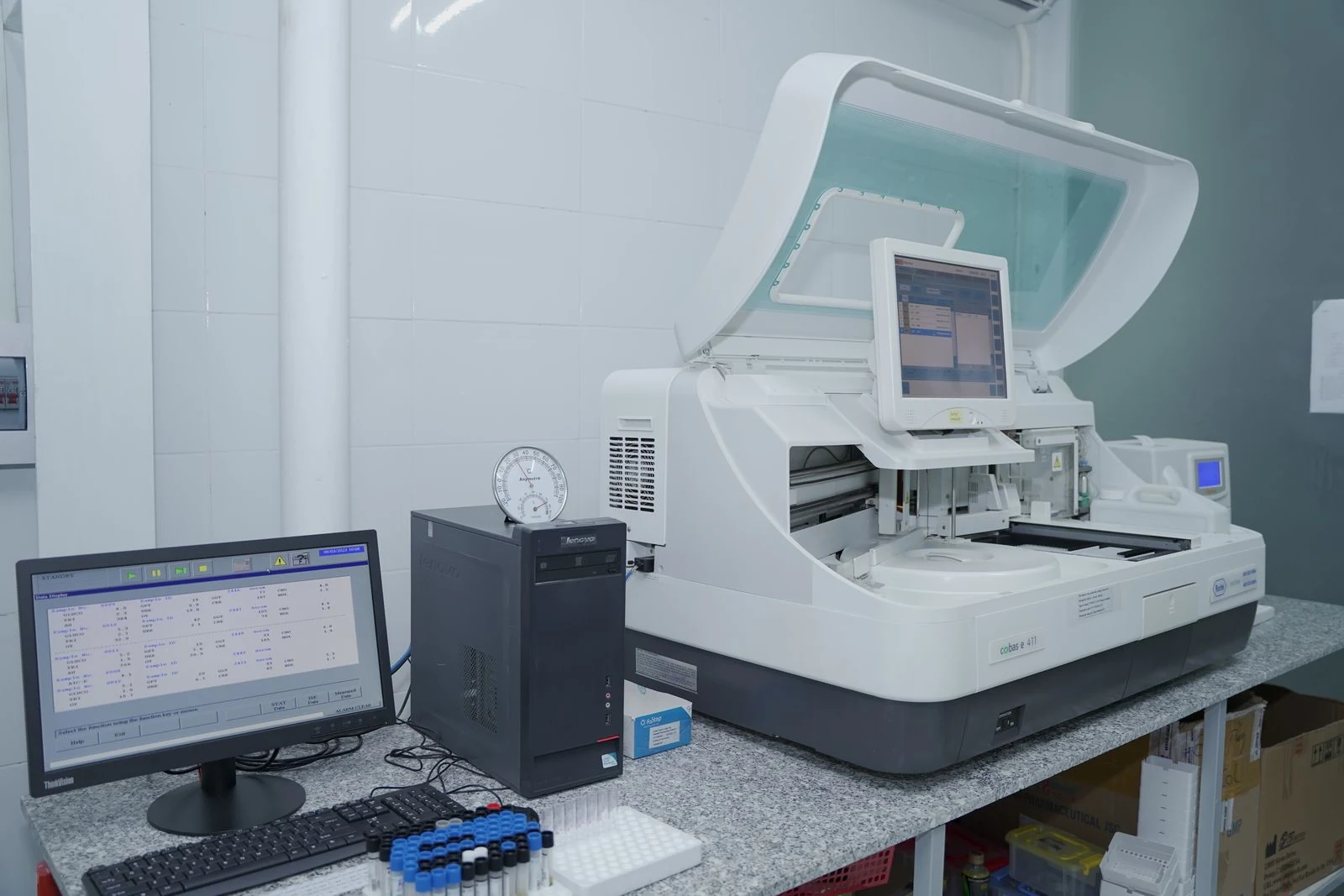
A laboratory analyzer beside a computer and sample racks.
Laboratory analysis equipment and computer. (Media Dung, Pexels License)

Research Applications

Research assessment of tedizolid exposure and model-derived regimens in immunocompetent patients aged 2–18 years.

Model & Design

A GastroPlus PBPK model with literature-derived drug inputs and age-dependent pediatric physiology.

Experimental Format

Adult development and clinical comparison, physiological scaling to childhood, independent pediatric evaluation and regimen simulation.

Model Components

  • Component

    Drug inputs

    Description

    Tedizolid physicochemical properties and pharmacokinetic parameters from the literature.

  • Component

    Evaluation data

    Description

    Clinical pharmacokinetics from healthy adults and adult patients, followed by independent pediatric data.

  • Component

    Population

    Description

    Ages 2–18 years; intravenous and oral dosing scenarios in immunocompetent patients.

Measurements & Endpoints

  • AUC and peak-concentration prediction error
  • Coverage of observed concentrations by 90% prediction intervals
  • Free-drug AUC/MIC and probability of target attainment

Analysis

Assess adult and pediatric exposure predictions before comparing candidate regimens against the specified pharmacokinetic/pharmacodynamic target.

Published Evidence

  • Study Design

    Adult clinical evaluation is followed by age-based extrapolation and comparison with independent pediatric data.

    Study Sample

    Patients aged 2–18 years in the reported independent pediatric pharmacokinetic evaluation.

    Comparison

    Observed clinical exposure and concentrations versus adult and pediatric model predictions.

    Finding

    All predicted AUC and peak-concentration values were within twofold error; most observed concentrations were within the 90% prediction interval.

    Interpretation & Limits
    • The simulated regimens require further clinical evaluation.
    • Adult model development and independent pediatric evaluation used separate clinical datasets.
    • The simulated population comprises immunocompetent patients aged 2–18 years.

Sources

  1. Physiologically based pharmacokinetic modelling and dose optimization of tedizolid in paediatric patients ↗