Prioritize Alzheimer’s disease targets and repurposing hypotheses across genetic, cellular and health-record evidence.
Model & Design
A 1,229-target genetic screen; human iPSC-derived neurons and cerebral organoids; separate electronic-health-data cohorts.
Experimental Format
Parallel ancestry-specific genetic analyses, EPHX2 variant overexpression/prime editing, and four drug-exposure association models.
Model Components
Component
Genetic inputs
Description
Brain expression/protein quantitative trait locus datasets and Alzheimer’s disease genome-wide association studies, with European- and African-ancestry analyses distinguished.
Component
Human neural systems
Description
Patient-derived iPSC forebrain neurons; wild-type EPHX2 and p.Arg287Gln overexpression models and edited EPHX2 genotypes; cerebral organoid comparison.
Component
Observational drug analysis
Description
111,680 patients with mild cognitive impairment and 210 commonly prescribed drugs, with selected analyses repeated in an independent claims database.
Measurements & Endpoints
Genetic target score and colocalization
EPHX2 protein abundance
Neuronal pTau-181 and organoid phosphorylated tau
Drug exposure–AD incidence associations
Analysis
Use genetic direction to nominate inhibition or activation, then assess the candidate with a separate functional measurement. Keep cellular results, animal drug effects and adjusted health-record associations as distinct evidence.
Published Evidence
Study Design
Compare wild-type EPHX2 with p.Arg287Gln in patient-derived neural models and use prime editing as an additional genotype test.
Study Sample
Neuronal protein comparisons report three measurements; the organoid comparison contains 14 wild-type and 16 mutant organoids. The described neuronal line is from one patient with late-onset AD.
Comparison
Wild-type versus p.Arg287Gln overexpression; edited A/A versus G/G EPHX2 genotypes.
Finding
p.Arg287Gln reduced phosphorylated tau in neurons (P = 0.003) and organoids (P = 0.044); prime-edited A/A neurons had less EPHX2 protein.
Interpretation & Limits
These human experiments test a genetic target direction; EC5026 cognitive outcomes came from 5xFAD mice.
Study Design
Compare four drug-exposure definitions with subsequent AD incidence, adjusting covariates and using propensity-score matching.
Study Sample
111,680 patients with mild cognitive impairment; 210 frequently prescribed drugs.
Comparison
Exposed versus unexposed and higher versus lower exposure; trazodone also compared with escitalopram in independent claims data.
Finding
Twelve drugs were associated with lower AD risk across all four exposure models; the independent trazodone–escitalopram comparison gave HR 0.78.
Interpretation & Limits
This is observational drug-use evidence with residual confounding and diagnosis uncertainty.
Seven African-ancestry targets met suggestive criteria different from the European-ancestry target selection.
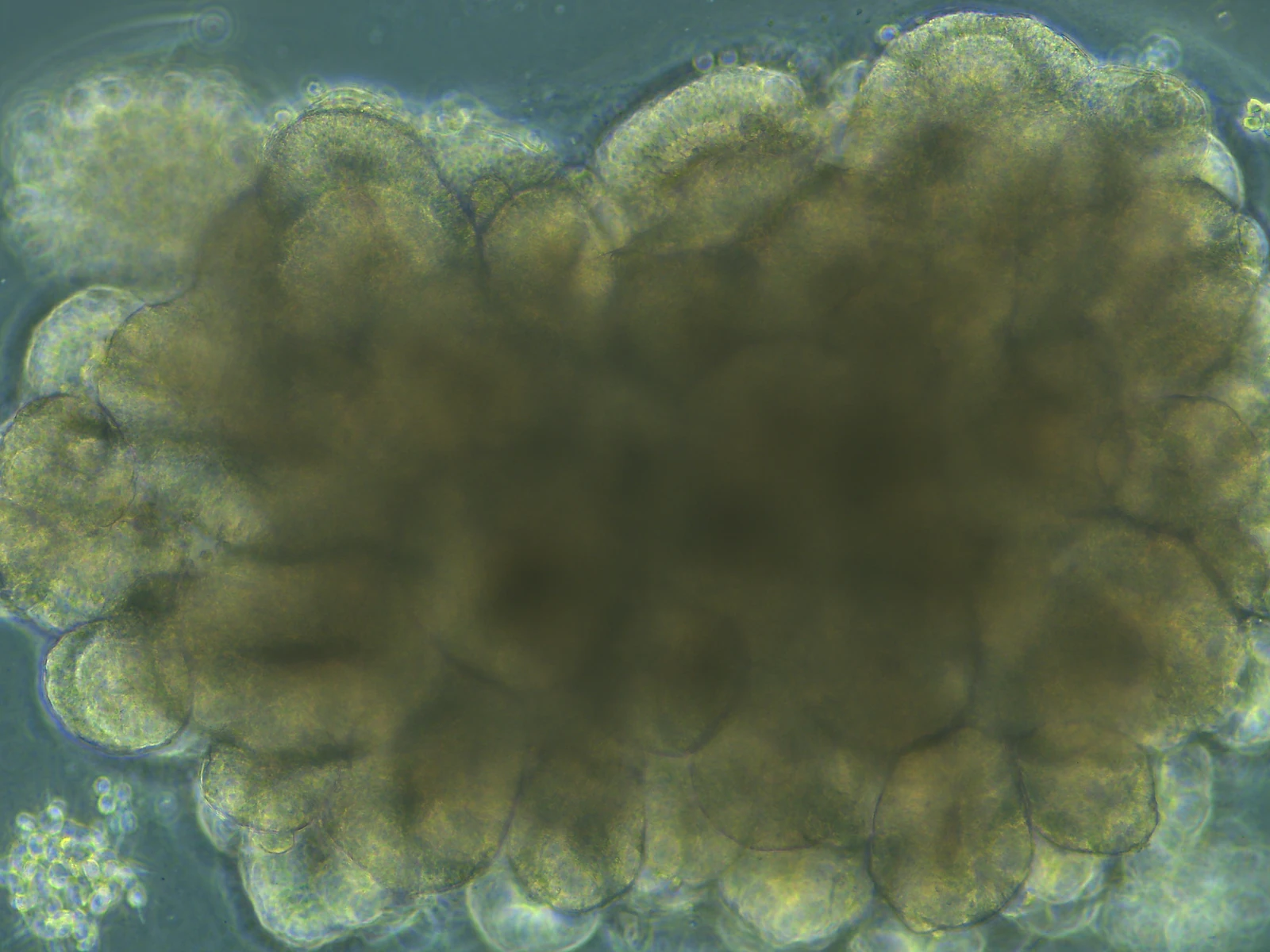
Patient-derived human neurons and cerebral organoids expressing the protective EPHX2 p.Arg287Gln variant had lower phosphorylated-tau measurements than wild-type models. The genetic target study also examined an EPHX2 inhibitor in mice and drug associations in health records.