Prioritize complementary molecular interventions and examine whether a selected coformulation changes measured injury-related outcomes.
Model & Design
23,204 annotated molecule–protein direction pairs and approximately 2.18 million affinity pairs; rat liver transcriptome reanalysis defines targets and human HepG2 cells test candidate formulations.
Experimental Format
Independent classification/regression models with warm, protein-cold and scaffold-cold tenfold validation; HepG2 comparisons of single agents, free combination and coassembled formulation.
Model Components
Component
Computational evidence
Description
Comparative Toxicogenomics Database direction labels; BindingDB/PDBbind affinity data; Open TG-GATEs rat liver profiles at 3, 6, 9 and 24 hours with time-matched controls.
Component
Human-cell model
Description
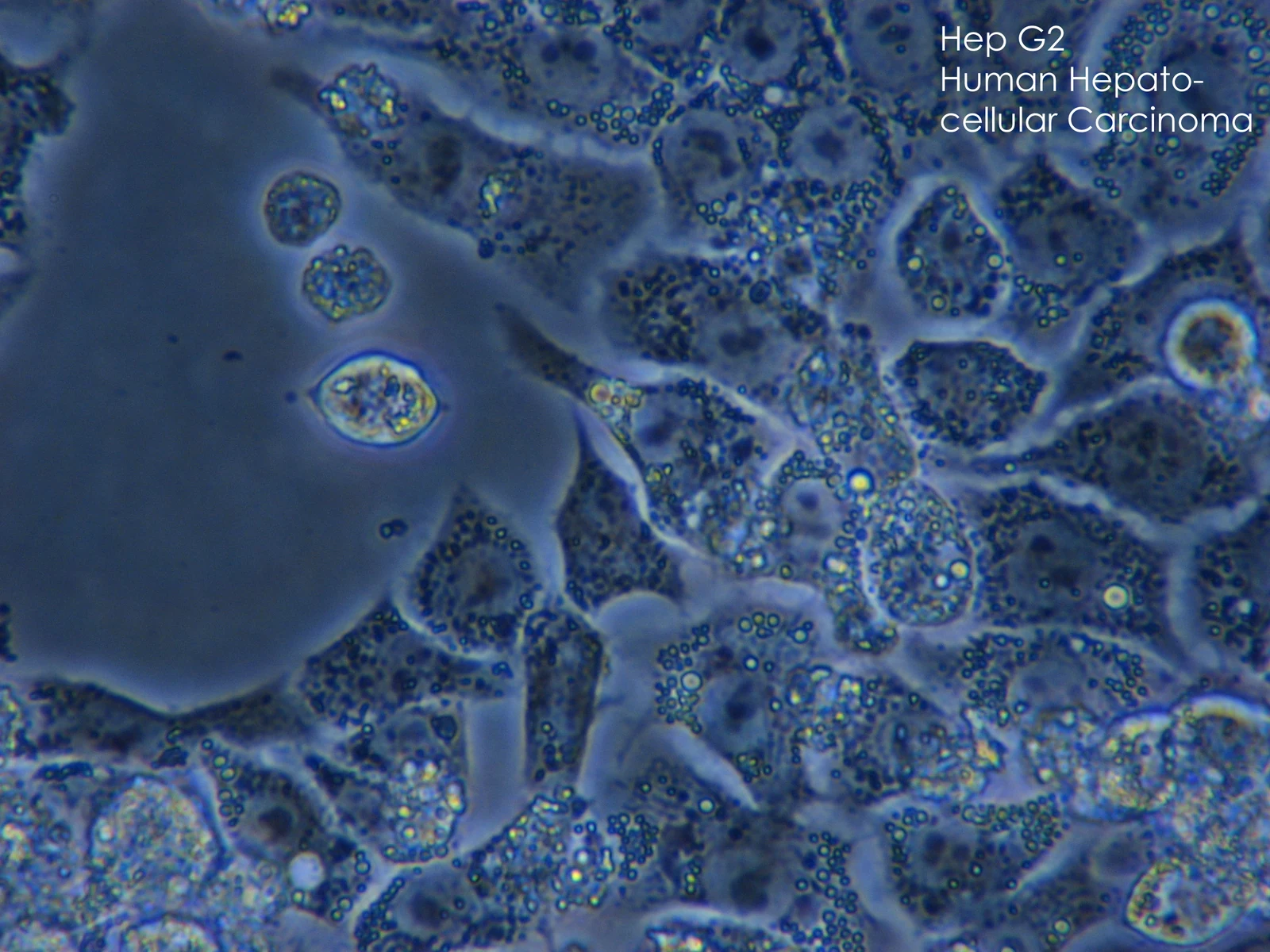
HepG2 cells exposed to 5 mM acetaminophen (APAP) for two hours, then treated for 24 hours with an equivalent hesperidin concentration of 42.4 μg/mL.
Component
Candidate forms
Description
Free hesperidin, free ursodeoxycholic acid, their physical mixture and coassembled HES–UDCA nanomedicine.
Measurements & Endpoints
Activation/inhibition classification
Affinity regression under distinct splits
HepG2 viability and GPX activity
Cellular uptake and ROS
Analysis
Keep the direction and affinity datasets/models separate. Compare generalization splits before interpreting the screen and preserve the distinction between human-cell, mouse macrophage and mouse whole-animal evidence.
Published Evidence
Study Design
Compare model generalization and test whether coassembly changes measured cellular protection relative to a free combination.
Study Sample
23,204 direction pairs; approximately 2.18 million affinity pairs; separate HepG2 cell-line experiments.
Comparison
Pair-random warm start, unseen protein and unseen scaffold splits; free molecules/physical mixture versus HUNMs in HepG2 injury assays.
Finding
Prediction performance fell in protein/scaffold cold-start tests. HUNMs increased uptake and improved viability/GPX responses relative to free combination in the APAP injury assay.
Interpretation & Limits
Disease target directions derive from rat transcriptomics, not human patient liver.
The cellular testing uses a tumor-derived human line; primary human liver validation was not reported.
Formulation differences may reflect delivery as well as pharmacology; direct binding and mediation of all predicted targets were not shown.
Independent direction and affinity models prioritize complementary molecules for liver-injury research. A coassembled hesperidin–ursodeoxycholic acid formulation improves selected HepG2 responses, while cold-start prediction and mechanistic coverage remain limited.