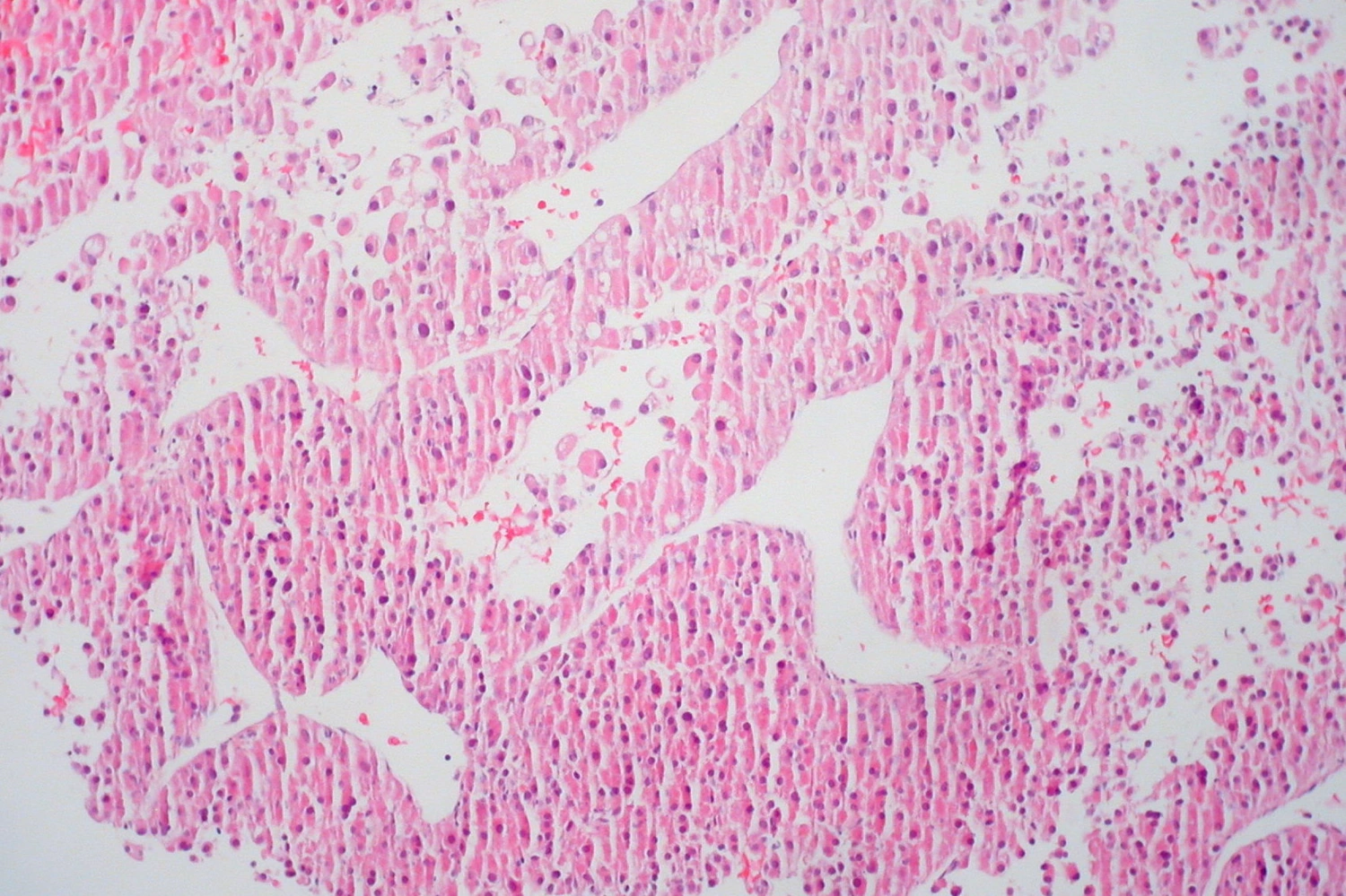
AO/PI viability, flow cytometry, immunostaining, whole-exome/RNA sequencing and cytokine assays.
Measurements & Endpoints
Day-7 viability quality criterion
Immune-subset abundance over time
Drug-normalized OKI
Selected PDX response
Clinical recurrence and transcriptomic associations
Analysis
The characterization, matched-PDX and adjuvant cohorts are analyzed separately. Measured OKI is distinct from transcriptome-derived OGI and external-regimen associations.
Published Evidence
Study Design
Characterize culture fidelity, compare selected TKI with matched PDX, and relate adjuvant-regimen OKI to recurrence.
Study Sample
28/30 cultures met viability criterion; longitudinal immune analysis n = 3; selected PDX comparison 10 cases; adjuvant cohort 24.
Comparison
Parent tissue/day 0, matched vehicle/IgG and immune-free models; selected drug versus PDX control; cohort median OKI groups.
Finding
Selected drug produced PDX regression 8/10. Recurrence 12/12 in OKI-low versus 5/12 in OKI-high; OGI external associations were retrospective.
Interpretation & Limits
NK- and B-cell abundance declined by day 7 despite retention of selected T/myeloid populations.
Supportive immune activators are part of assay conditions.
External 247-patient atezolizumab–bevacizumab data use a different regimen.
No prospective assay-guided treatment validation or interlaboratory test.
Patient-derived HCC tissue spheroids preserved selected immune components for about seven days. Drug-response comparisons with xenografts and postoperative outcomes supported further study, while a transcriptomic surrogate showed retrospective associations across a different treatment cohort.