
HCC Tumor Spheroids Retain a Short Immune Window for Functional Drug Testing
Patient-derived HCC tissue spheroids preserved selected immune components for about seven days. Drug-response comparisons with xenografts and postoperative outcomes supported further study, while a transcriptomic surrogate showed retrospective associations across a different treatment cohort.
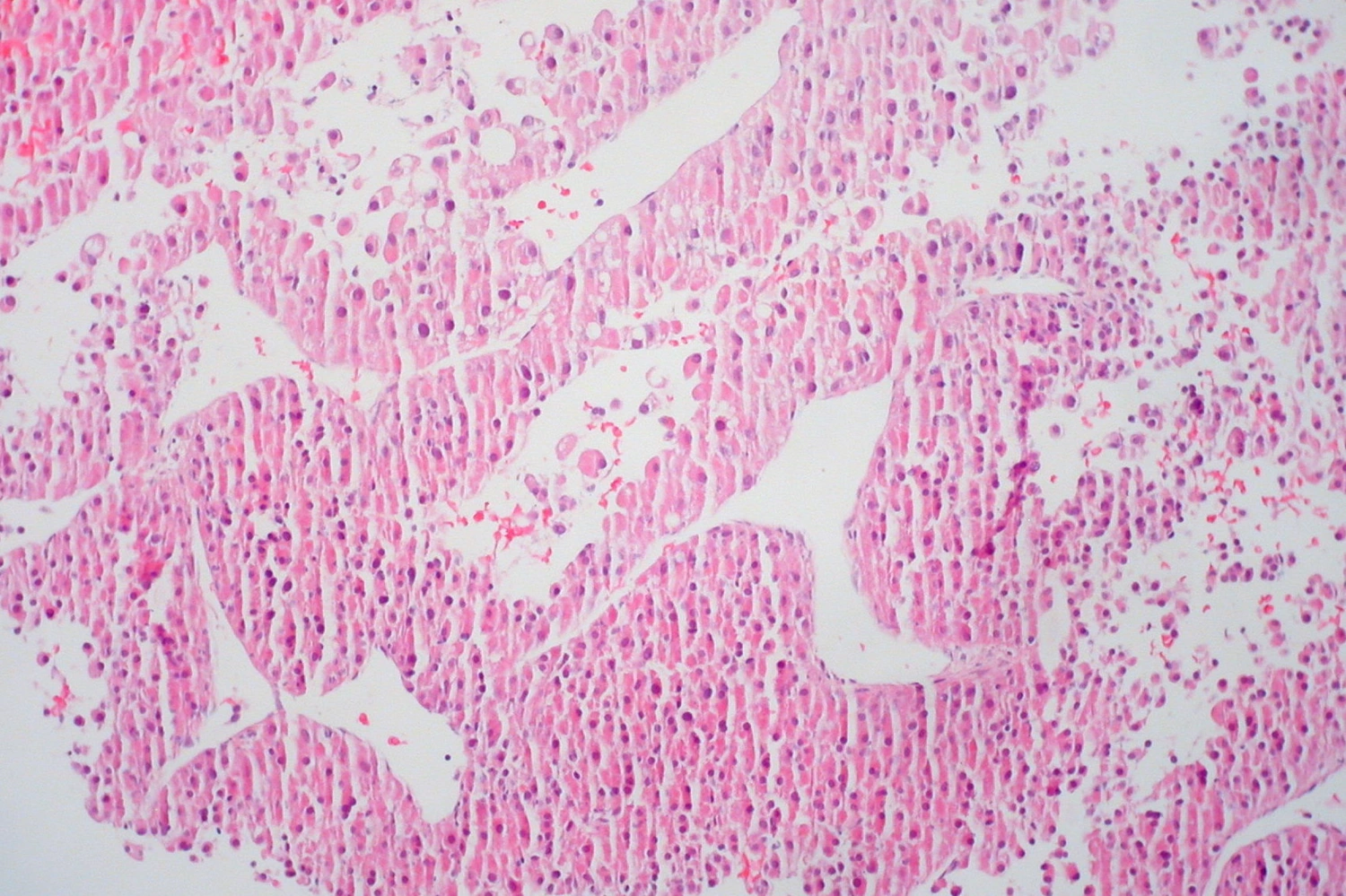
Retaining Native Tumor and Immune Components
A study led by Zhongshan Hospital, Fudan University developed short-term hepatocellular carcinoma (HCC) models that retain cells from the tumor microenvironment. The patient-derived organotypic tumor spheroids, abbreviated PDOTS, were embedded in collagen in a microfluidic device. The Journal for Immunotherapy of Cancer report evaluates their molecular and immune features, drug responses and relationship to selected clinical outcomes.
The investigators pooled tissue from five spatially separated tumor regions to reduce sampling bias. This produces a composite tumor sample rather than preserving region-specific immune niches. Culture medium included interleukin-2 and a CD3/CD28 activator to support tumor-infiltrating lymphocytes, a condition relevant to interpreting immune function in the system.
The study used three distinct surgical cohorts: 30 patients for model optimization and characterization, 10 for parallel spheroid and patient-derived xenograft testing, and 24 who subsequently received postoperative apatinib plus camrelizumab. Within the characterization cohort, 28 of 30 cultures met the predefined requirement of at least 60% viability on day seven. Separate subsets supported genomic, immune and longitudinal analyses; these were not measurements from every patient.
The Immune Compartment Has a Limited Experimental Lifetime
Paired genomic and histological analyses supported retention of major tumor features. In six matched samples, measured immune-cell proportions did not differ significantly between freshly prepared spheroids and parent tumors. Immunostaining also detected immune populations during short-term culture.
Longitudinal flow cytometry in three patient-derived cultures defined a more qualified picture. T cells and myeloid populations remained relatively stable through day seven, while natural killer and B-cell populations had already declined significantly by that point. The broader immune compartment decreased after day nine. The model therefore offers an approximately seven-day window for selected immune experiments rather than uniform preservation of every population.
Anti-PD-1 exposure reduced viability and increased immune-associated cytokines in PDOTS, whereas immune-free HCC cell lines and conventional organoids showed little response under the compared conditions. This supports a role for retained immune components. The cultures’ lymphocyte-supporting supplements and short observation period remain part of the experimental setting.
Functional Drug Response and a Transcriptomic Surrogate
For targeted-drug testing, spheroids from 10 patients were exposed to five tyrosine kinase inhibitors. The authors calculated an Organoid Killing Index, or OKI, from treated viability relative to the matched control. The agent with the highest index for each patient was selected for testing in the corresponding xenograft. In eight of 10 cases it produced significant tumor regression; two selected agents produced minimal inhibition. This is a focused cross-model comparison of selected drugs, not 80% accuracy for every possible drug–patient pairing.
The postoperative cohort tested a different question. All 24 patients received adjuvant apatinib plus anti-PD-1 therapy, and the same regimen was applied ex vivo. After splitting the cohort at its median OKI, recurrence occurred in 12 of 12 patients in the lower-index group and five of 12 in the higher-index group. Higher OKI was associated with a lower recurrence risk after adjustment in the reported analysis. The association does not show that changing treatment according to the assay would improve outcomes.
The researchers then derived the OKI Gene-derived Index, or OGI, from tumor gene expression. Feature selection was confined to the 24-patient discovery cohort. OGI correlated with the measured functional index, with Spearman r = 0.829. It was subsequently associated with disease control and survival in an external 247-patient dataset treated with atezolizumab plus bevacizumab. In that external analysis, disease-control rates were 90.3% in the high-OGI group and 37.4% in the low-OGI group.
The external analysis was retrospective and used a treatment context different from the spheroid discovery cohort. The authors therefore describe it as cross-cohort biological concordance rather than definitive predictive validation. The model also lacks systematically characterized vascular, stromal and metabolic components, and interlaboratory reproducibility remains untested. Prospective evaluation in a matched clinical treatment setting is needed to establish predictive utility.