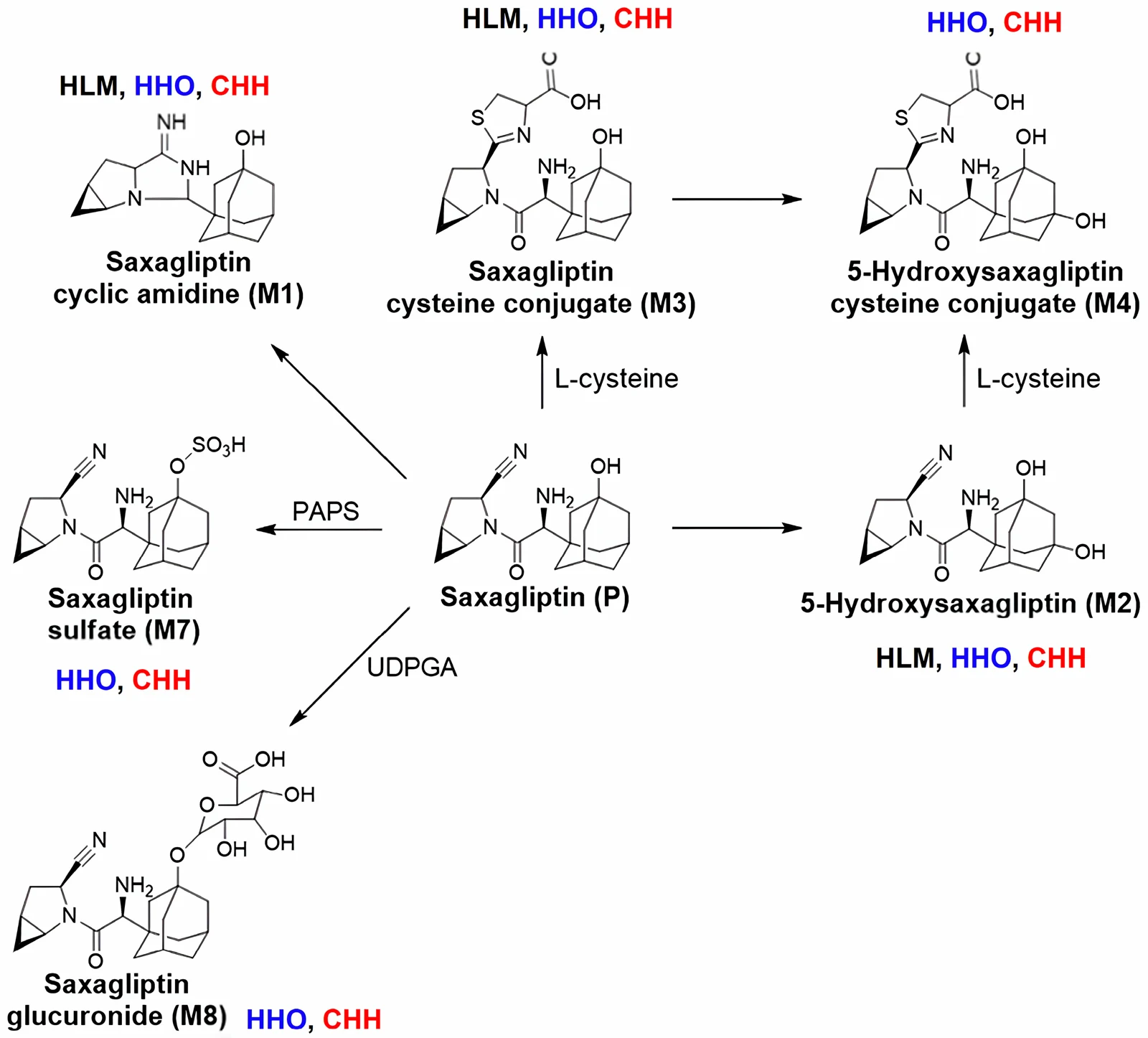
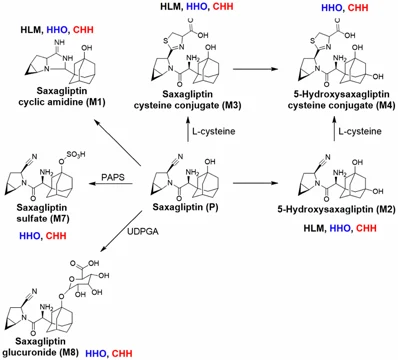
Early drug-safety investigation of metabolite formation and the effect of CYP1A2 induction.
Model & Design
Hepatic organoids from HDF01 iPSC and H9 embryonic stem cell backgrounds, compared with human liver microsomes and plateable cryopreserved hepatocytes.
Experimental Format
Direct acetaminophen and saxagliptin comparisons used 24-hour cell exposures alongside separate microsomal assays. Omeprazole induction followed by phenacetin metabolism was evaluated separately.
Model Components
Component
Human systems
Description
Stem-cell-derived organoids, liver microsomes and primary hepatocytes; induction uses three organoid batches and three hepatocyte donors.
Component
Compounds
Description
Acetaminophen, saxagliptin, phenacetin and omeprazole.
Component
Measurements
Description
UPLC–MS/MS metabolite profiles, enzyme activity/expression and cell viability.
Measurements & Endpoints
NAPQI and acetaminophen conjugates
CYP1A2 induction and downstream products
Saxagliptin products/cysteine conjugates
Concentration-associated viability
Analysis
Identify products using their analytical characteristics and preserve differences in incubation duration and cofactor conditions across systems.
Published Evidence
Study Design
Compare direct drug metabolism and a separate enzyme-induction response; interpret cross-system product profiles qualitatively.
Study Sample
Two stem-cell backgrounds; selected induction comparisons use three organoid batches versus three primary-hepatocyte donors.
Comparison
Microsomes with defined cofactors, organoids and primary hepatocytes; matched control/induced conditions.
Finding
Organoids formed NAPQI and acetaminophen conjugates, responded to CYP1A2 induction and yielded six saxagliptin products also identified in primary hepatocytes. Saxagliptin GSH conjugates were not detected in either cell system.
Interpretation & Limits
For the direct acetaminophen and saxagliptin comparisons, microsomal incubations lasted one hour and intact-cell exposures lasted 24 hours.
Cofactor availability differs between experimental systems.
Product identification does not by itself quantify clinical liver-injury risk.
Human hepatic organoids formed drug metabolites and thiol conjugates also observed in primary hepatocyte comparisons. The study separately examined direct acetaminophen metabolism, enzyme induction and saxagliptin metabolite profiles.