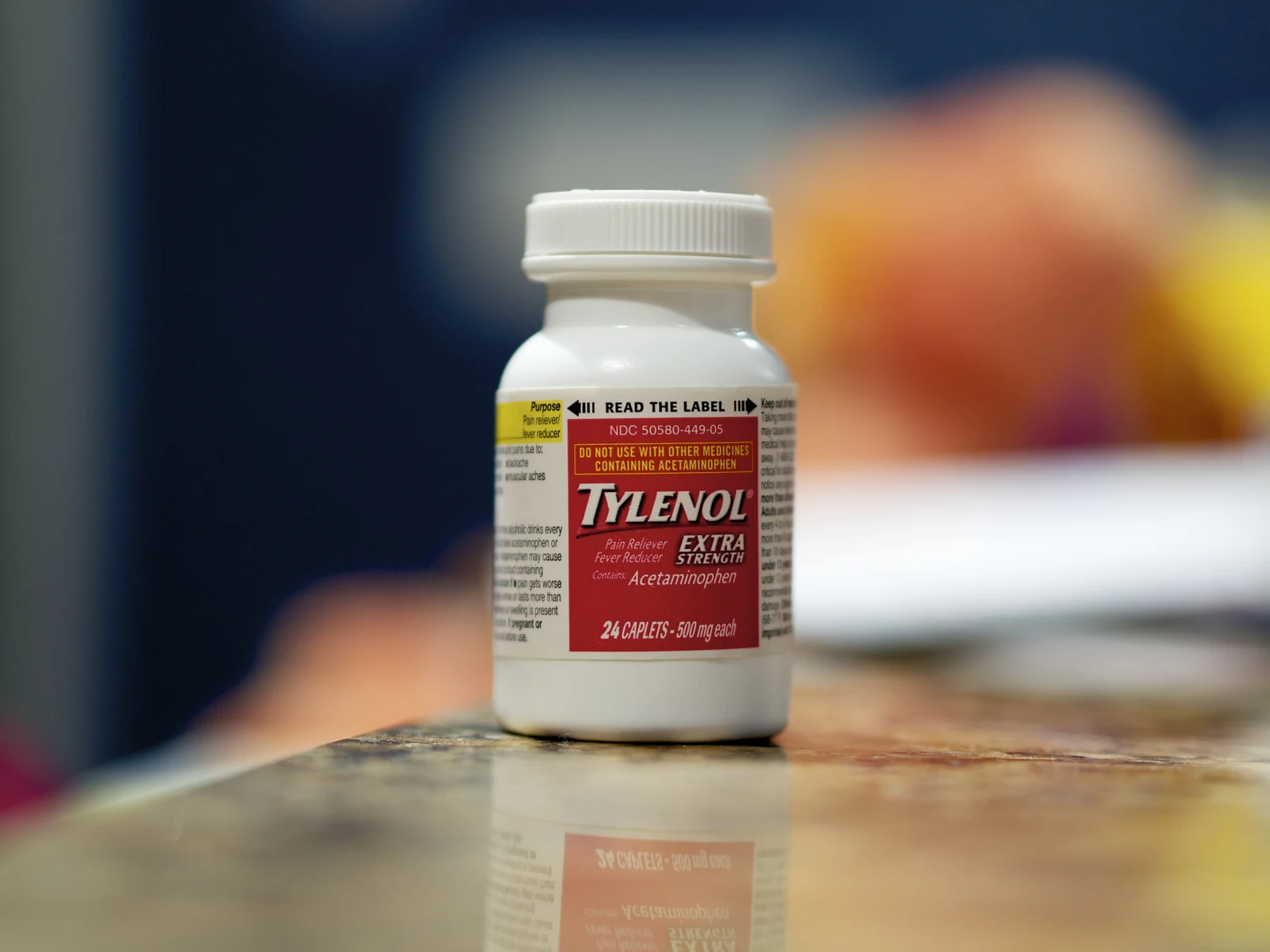
Investigation of disease-background susceptibility and connected redox, mitochondrial and cell-injury responses.
Model & Design
iPSC-derived liver organoids containing hepatocyte-like, biliary, stellate, endothelial and Kupffer-like populations; two control and two MASH donor lines.
Experimental Format
Air–liquid-interface tissue generation; oleic-acid challenge and acetaminophen response assessed with imaging, expression and functional assays.
Model Components
Component
Tissue and exposures
Description
Control/MASH donor-derived organoids; oleic acid at 100 μM and acetaminophen dose comparisons at 5, 25 and 50 mmol/L.
Component
Measurements
Description
Lipid imaging/lipidomics, redox probes, mitochondrial potential, ATP and apoptosis-associated staining.
Measurements & Endpoints
Lipid accumulation and lipid classes
Inflammatory/fibrotic markers
Glutathione-associated and reactive-oxygen signals
Mitochondrial potential and ATP
Apoptotic staining
Analysis
Keep donor-background, fatty-acid and drug comparisons explicit. Lipidomics uses one line per group across three differentiations and is distinct from the broader model-characterization panel.
Published Evidence
Study Design
Compare control and MASH cultures with and without fatty-acid pretreatment and subsequent acetaminophen challenge.
Study Sample
Four donor-derived cell lines for generation; lipidomics uses one control and one MASH line in three independent differentiations.
Comparison
Matched untreated/vehicle and fatty-acid/drug conditions; published biopsy lipid data provide an external contextual comparison.
Finding
MASH-background and fatty-acid-pretreated cultures showed stronger selected oxidative, antioxidant and injury changes after acetaminophen.
Interpretation & Limits
Experimental millimolar acetaminophen exposures are laboratory injury conditions.
The donor panel and lipidomics panel are small and differ in composition.
The study does not establish a specific epigenetic mechanism or broad clinical drug-prediction accuracy.
Multicellular liver organoids derived from control and MASH donors differed in lipid accumulation and responses to acetaminophen. The study combines donor background, fatty-acid challenge and tissue-level injury measurements.