
MASH Donor Liver Organoids Show Greater Sensitivity to Acetaminophen Stress
Multicellular liver organoids derived from control and MASH donors differed in lipid accumulation and responses to acetaminophen. The study combines donor background, fatty-acid challenge and tissue-level injury measurements.
Building a Multicellular Liver Model
Researchers at the University of Arizona and collaborating academic institutions developed liver organoids from induced pluripotent stem cells derived from control donors and donors with metabolic dysfunction-associated steatohepatitis, or MASH. Their question was whether a multicellular human model could preserve disease-associated differences when challenged with fatty acid or acetaminophen.
The differentiation strategy generated hepatic and supportive cell populations together and used an air–liquid interface for organoid growth. The resulting tissues contained hepatocyte-like cells, cholangiocyte-like cells, stellate cells, endothelial cells and Kupffer-like cells. The study used two control and two MASH donor-derived iPSC lines for model development, rather than assembling every tissue component from unrelated donors.
Characterization included lineage markers, ultrastructure and functional measurements. The organoids stored glycogen, handled indocyanine green and showed canalicular transport of a fluorescent substrate. Albumin and urea secretion provided additional functional information. Those measurements established a baseline for testing how the cultures responded to disease-relevant and pharmacological stress.
Comparing Fatty-Acid Responses
Oleic acid exposure increased lipid accumulation in both control and MASH organoids. The disease-background cultures showed more prominent lipid deposition and stronger fibrotic and inflammatory responses under the tested conditions. The investigators followed matrix-related markers, including collagen and ACTA2, together with gene expression and secreted proteins.
Lipidomics provided a further comparison with human disease. For this experiment, one control and one MASH donor line were assessed across three independent differentiation experiments. The authors compared the resulting lipid patterns with published liver-biopsy datasets. Several lipid classes changed in directions resembling those reported in MASH tissue, although the organoid and biopsy measurements came from different sample sets.
This design separates two sources of variation: donor disease background and the additional response to fatty-acid exposure. A difference between the MASH and control cultures can therefore be examined before and after challenge, while the limited number of donor backgrounds remains part of the interpretation.
Acetaminophen Adds a Drug-Injury Comparison
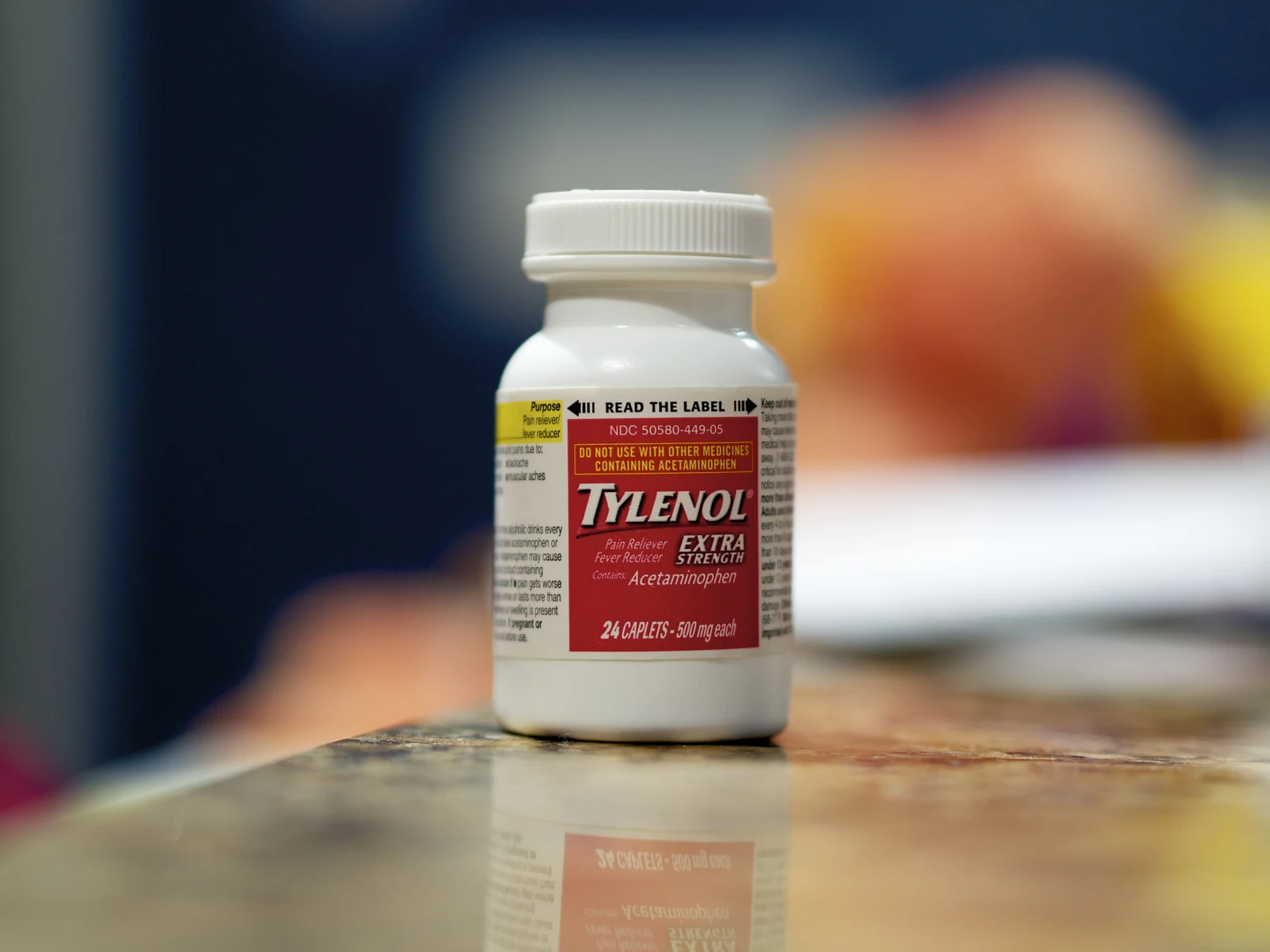
The investigators first tested acetaminophen at 5, 25 and 50 mmol/L over three days. Apoptotic staining increased with concentration, and 25 mmol/L was selected for the subsequent comparisons. To examine how steatotic stress influenced the response, organoids were pretreated with 100 μmol/L oleic acid before acetaminophen exposure.
The combined challenge produced stronger injury than acetaminophen alone. Expression of genes involved in glutathione synthesis and antioxidant defense declined, while inflammatory signals increased. MASH donor-derived organoids generally showed a greater response than the corresponding control cultures. For example, the reported TUNEL-positive measure in the combined-exposure comparison was higher in MASH than control organoids, alongside higher reactive-oxygen signals and lower glutathione-associated fluorescence.
Mitochondrial measurements supported the injury phenotype. Acetaminophen exposure reduced membrane-potential-associated fluorescence ratios and ATP levels; oleic-acid pretreatment further worsened several measurements, particularly in the MASH background. The study therefore combines cell-death, redox and mitochondrial endpoints rather than relying on a single metabolic viability assay.
What the Donor Comparison Supports
The results support using a disease-background liver model to study susceptibility under defined experimental conditions. The article's mechanistic discussion proposes retained donor-related cellular features as a possible explanation, while also noting that a dedicated analysis of epigenetic differences would be required to test that explanation.
The authors identify broader patient sampling as an important next step. Two donor lines per group establish feasibility but provide limited coverage of the variation within MASH or the control population. Likewise, the relatively high acetaminophen concentrations define a laboratory injury model and should be interpreted in relation to the measured tissue response.
For drug-development research, the useful feature is the combination of donor background, multicellular composition and a controlled metabolic challenge. It permits comparison of several connected injury processes in the same model and can help identify which features should be examined across larger donor panels.