Feasibility and exploratory pharmacology when surgical tumor material is unavailable.
Model & Design
12 prostate adenocarcinoma biopsy samples yielded organoids. Nine with adequate proliferation entered downstream characterization and drug screening.
Experimental Format
Two additional MRI/ultrasound fusion-targeted cores supplied research material. The 384-well assay used 48-hour culture followed by 96-hour drug exposure.
Model Components
Component
Drugs
Description
Enzalutamide and docetaxel 0.0032–10 μM; olaparib 0.0039–4 μM.
Component
Validation readouts
Description
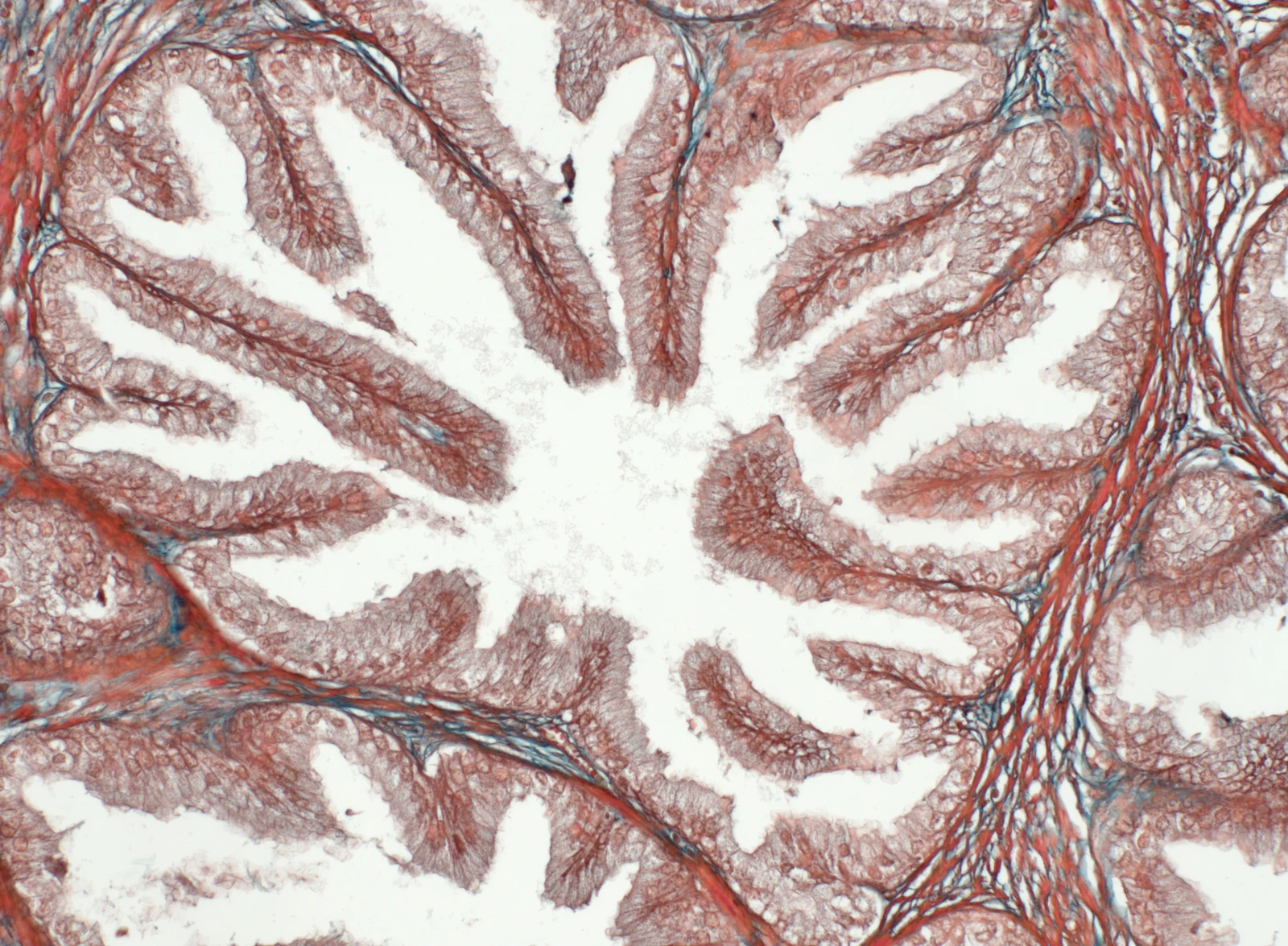
H&E, cytokeratin/androgen-receptor staining, whole-exome mutation/copy-number comparison and CellTiter-Glo 3D.
Measurements & Endpoints
Establishment and proliferative yield
Histological/marker concordance
Genomic resemblance
Drug dose-response and IC50
Analysis
Compare each culture with its parental biopsy and fit drug-response curves separately for each model.
Published Evidence
Study Design
Targeted-biopsy feasibility and between-model pharmacology.
Study Sample
13 participants sampled; one without detected tumor excluded. Twelve cultures were established and nine proliferated adequately for screening.
Comparison
Parental biopsy; matched normal blood in genomic analysis; drug controls and other organoid models.
Finding
Models retained histological and androgen-receptor features and many genomic alterations. Individual models showed different enzalutamide, docetaxel and olaparib responses.
Interpretation & Limits
Only targeted biopsies were tested; there was no systematic-biopsy culture comparison.
Three cultures had limited growth, and stable long-term passaging was difficult.
No clinical drug-response validation was available.
An exploratory study established organoids from all 12 cancer-positive targeted biopsy samples, with nine growing sufficiently for downstream assays. Responses to enzalutamide, docetaxel and olaparib varied among the models.