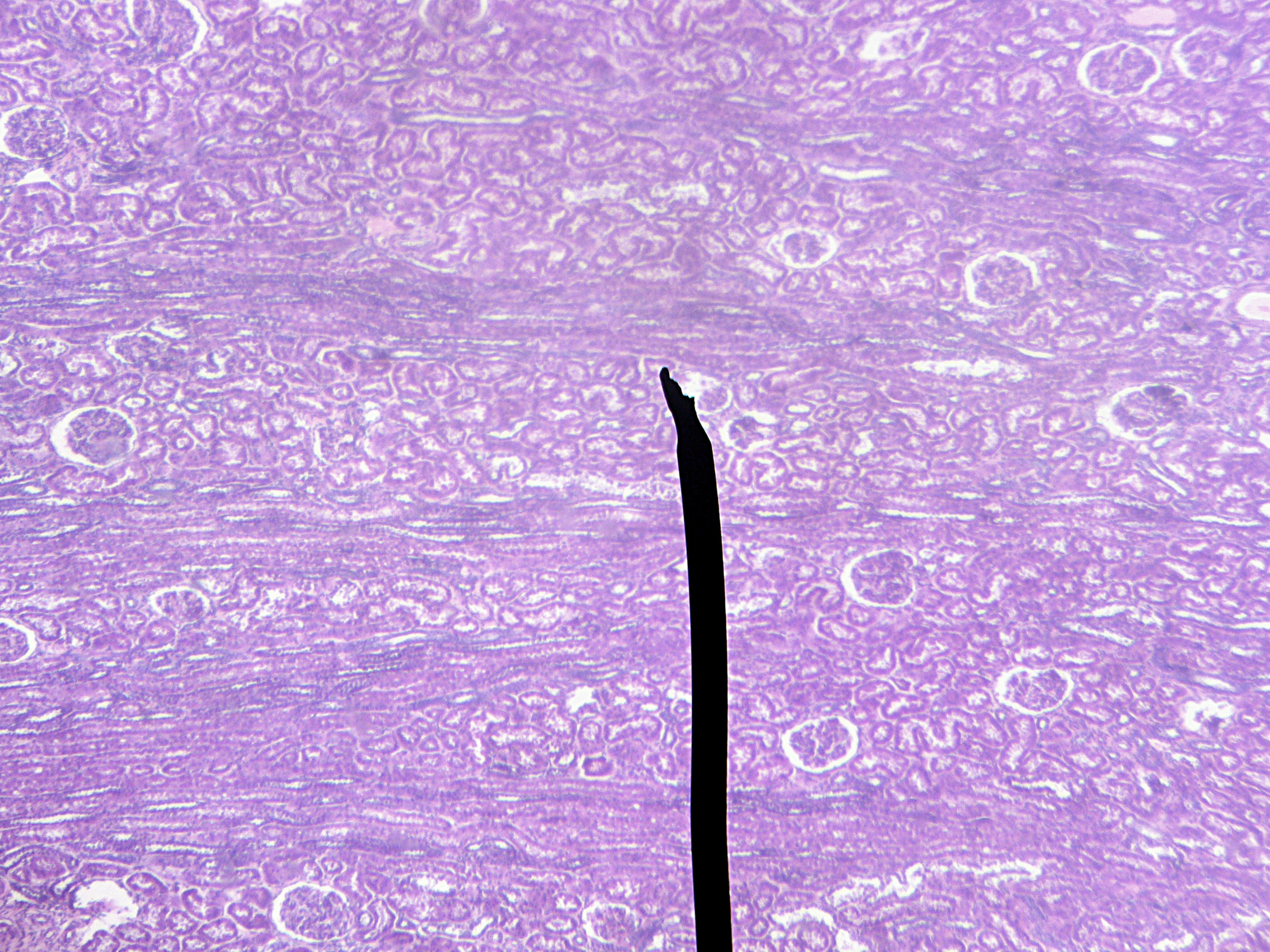
Evaluation of culture conditions that support vascular structures while retaining nephron-like morphology.
Model & Design
One hiPSC-derived nephron-progenitor-enriched population combined with human stromal vascular fraction cells and collagen scaffolds; porcine decellularized kidney matrix is optional.
Experimental Format
Static, 0.01 mL/min and 0.47 mL/min culture comparisons; drug exposure in suspension organoids and selected scaffold/co-culture configurations.
CD31/PODXL/KIM-1 staining, vessel-network analysis and LDH-associated cytotoxicity.
Measurements & Endpoints
Vessel coverage, length and branching
Organoid morphology and glomerular-like structures
LDH response to tacrolimus
KIM-1 expression and vascular integrity
Analysis
Analyze tissue structure and vascular metrics separately. The suspension-organoid LDH dose response and normalized scaffold-culture measurements belong to different experimental configurations.
Published Evidence
Study Design
Compare support conditions and test tacrolimus injury over 24 hours.
Study Sample
One hiPSC line and one drug. Suspension-organoid LDH dose response: N = 2 biological replicates with n = 3 samples. SVF-scaffold-only LDH comparison: N = 1 with n = 2 samples. Sampling differs between configurations.
Comparison
Suspension/static culture, presence or absence of SVF/dECM, alternative flow rates and untreated controls.
Finding
Lower flow better preserved kidney architecture; higher flow disrupted it. The suspension-organoid tacrolimus CC50 was 70.87 μM. SVF-only vascularized scaffolds showed about 3% cytotoxicity across 0–100 μM, while organoid-containing co-cultures showed tissue and vascular injury at 70 μM.
Interpretation & Limits
The reported CC50 was fitted in suspension organoids, not independently in every co-culture condition.
Vessel staining and spatial proximity do not demonstrate mature glomerular filtration.
Single-line and single-drug coverage limits performance generalization.
A study combines kidney organoids, vascular-supporting cells and collagen scaffolds to compare perfusion conditions. Lower flow preserved nephron-like architecture, while separate tacrolimus experiments measured tissue and vascular injury.