
Kidney Organoids with Collecting Ducts Test Transport and Metabolism-Linked Drug Injury
Early retinoic-acid signaling and later BMP7 treatment improved segment formation in human stem-cell-derived kidney organoids. Derived epithelial layers supported transport assays, and an intestinal–hepatic–renal circuit produced greater acetaminophen-associated injury than kidney organoids alone in the circuit.
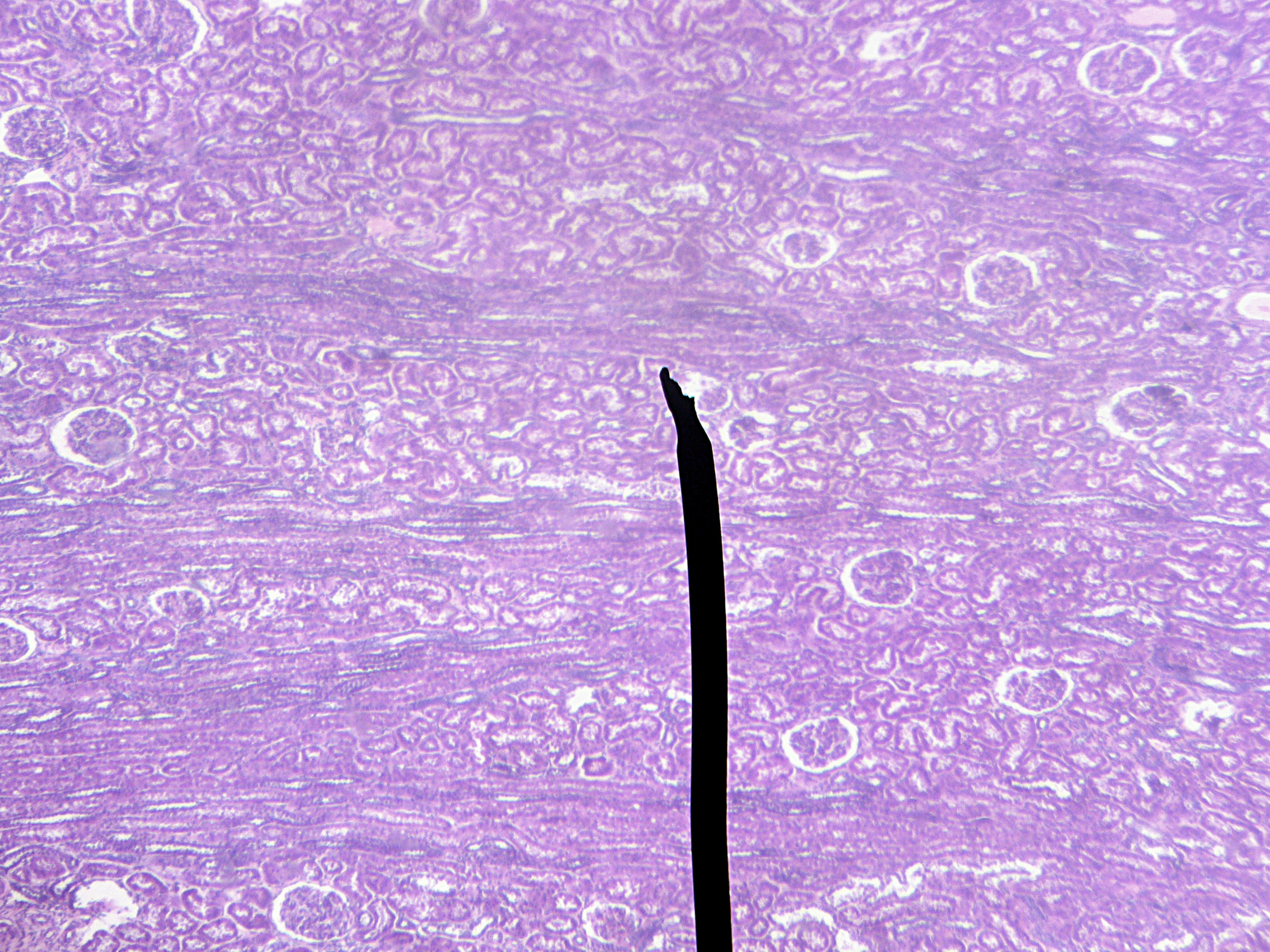
Differentiation Was Designed to Preserve Two Renal Lineages
A Korean academic study in Advanced Healthcare Materials combined improved kidney organoid differentiation with drug-transport and nephrotoxicity experiments. The researchers sought to generate both nephron and collecting-duct lineages, then tested whether the resulting models could support functional transport measurements and reveal changes in drug injury when intestinal and hepatic components were added.
The main differentiation work used H9 human embryonic stem cells. The protocol was also applied to three iPSC sources derived from skin fibroblasts, peripheral blood cells and cord blood cells. A brief 0.1 μM retinoic-acid exposure during early intermediate mesoderm differentiation supported anterior and posterior lineage markers more effectively than the compared untreated and 1 μM conditions. Two-day treatment was favored; prolonged exposure instead promoted ureteric epithelial markers while reducing metanephric mesenchyme markers.
Later maturation with bone morphogenetic protein 7 (BMP7) and FGF9 increased tubular structures, polarization and cilia-associated features compared with FGF9 alone. Blocking retinoic-acid or BMP signaling reduced lineage and maturation markers. The authors also generated separate tubule and collecting-duct organoid formats from the differentiated cells, demonstrating that the early lineage choices had consequences for downstream model composition.
Maturation Was Benchmarked Against Developing Kidney
Single-cell sequencing of 6,476 day 18 organoid cells was integrated with published fetal kidney profiles from 11 and 16 weeks of development. Organoid collecting-duct populations expressed several markers associated with a later state than the fetal reference, while a developmental bulk-RNA comparison most closely matched newborn kidney. These comparisons support relative maturation within a developing-kidney context, rather than an adult functional kidney.
The organoids contained multiple nephron-associated populations, but vascular and leukocyte clusters in the integrated comparison came from the fetal reference. The experiments did not establish integrated glomerular filtration, urine formation or a complete connected nephron–collecting system. Those distinctions matter when a segment-specific drug response is interpreted as organ-level renal function.
A Derived Monolayer Supplied Directional Transport Readouts
For transport testing, tubule-organoid cells were expanded on Transwell inserts under air–liquid interface conditions to form polarized renal tubule epithelial cells derived from kidney organoids (KORTECs). By day 18, the layers showed stronger electrical barrier function and albumin uptake than the HK-2 renal cell-line comparator. Junctional and apical/basolateral transporter staining supplied structural context for those measurements.
A fluorescent substrate experiment supported functional MRP2/4-associated efflux: CDF appeared in the apical compartment after CDFDA exposure, and the inhibitor MK571 reduced that transfer. Alpelisib was also detected in both compartments after 48-hour exposure. The inhibitor-controlled tracer experiment therefore supplies stronger evidence of a specific efflux process than the alpelisib measurements alone.
Separate nephrotoxicant tests increased injury and apoptosis markers. The reported organoid apoptotic fractions were approximately 75% after 25 μM cisplatin, 56% after 20 μM cyclosporine A and 65% after 2.5 μM doxorubicin. Gentamicin-associated damage also involved collecting-duct cells. These experiments broadened the model’s measured drug responses beyond the differentiation and tracer assays.
A Linked Circuit Changed Acetaminophen-Associated Injury
The networking cell culture system combined a Caco-2 intestinal epithelial model, differentiated HepaRG hepatic cells and the renal model in a circulating configuration. Caco-2 barrier measurements and HepaRG drug-metabolizing enzyme expression characterized the supporting components. The intestinal and hepatic elements were established human cell lines, rather than additional patient-derived organoids.
After acetaminophen (APAP) exposure, APAP–glutathione, APAP–cysteine and 4-aminophenol increased over time in the circuit medium. Kidney organoids in the complete intestinal–hepatic–renal setup had more apoptosis and higher injury markers than kidney organoids cultured alone in the same circuit apparatus. Injury-marker comparisons used n = 4 and segment-associated caspase staining used n = 6. The experiment associated the linked absorption/metabolism setting with greater renal injury; it did not isolate one measured metabolite as the cause.
The linked-culture comparison complements the separately validated epithelial barrier and inhibitor-sensitive tracer-efflux assays. These experiments provide distinct drug-evaluation readouts, with differentiation, epithelial transport and metabolism-associated kidney injury assessed in separate experimental arms.