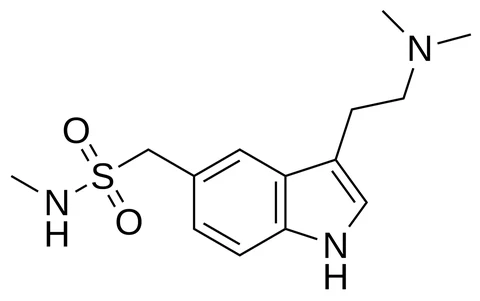
PBPK Model Links OCT1 Function to Sumatriptan Exposure
A model built from published clinical data reproduced increased sumatriptan exposure with reduced OCT1 function and explored lower doses for prospective evaluation.
Three breast-milk distribution models showed broadly similar performance, but gaps in clinical composition data, in vitro support and population sampling limit their use.
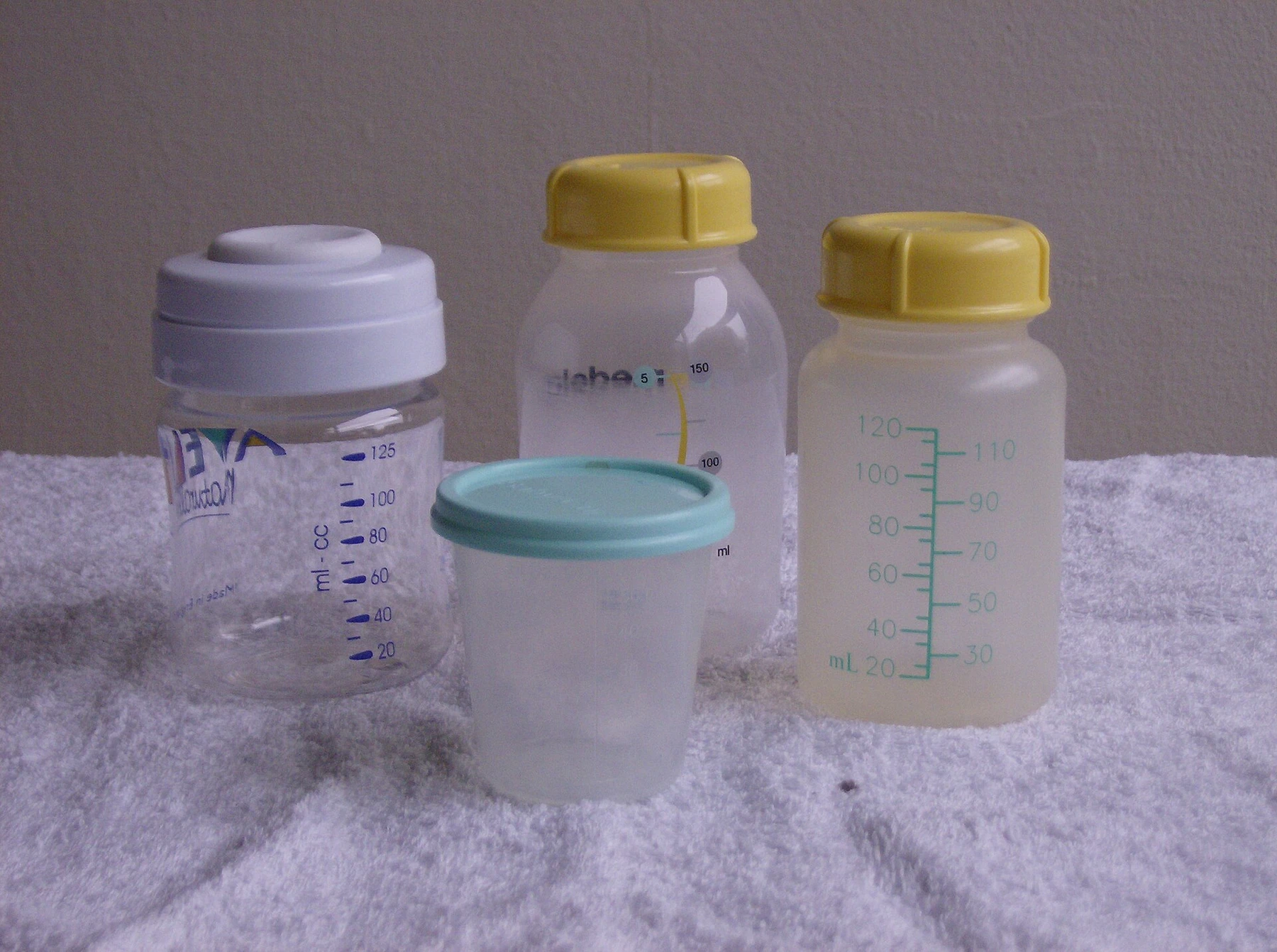
A review by Andrew S. Butler, Essam Kerwash and Susan Cole of the UK Medicines and Healthcare products Regulatory Agency examines the breast-milk distribution models used in lactation physiologically based pharmacokinetic (PBPK) modeling. The aim is to characterize uncertainty in predicting infant exposure to maternal medication through breast milk.
The review identifies three approaches: Phase Distribution, Log-Transformed Phase Distribution and Semi-Mechanistic models. Their performance against observed data was broadly consistent. This comparison sits alongside substantial shared limitations in the evidence used to develop and assess them.
Clinical lactation studies often provide too little information about breast-milk constituents to validate mechanistic models adequately. In vitro findings do not consistently support the models’ assumptions, and samples from a sufficiently broad range of women remain limited. These gaps constrain assessment of both model behavior and population variability.
The authors call for targeted work to address these deficiencies so that modeling can better support clinical lactation studies and medication decisions. The paper is a review of the modeling evidence and its data needs, with the goal of improving the basis for assessing exposure during breastfeeding.
A model built from published clinical data reproduced increased sumatriptan exposure with reduced OCT1 function and explored lower doses for prospective evaluation.
A Pfizer study combined formulation data and healthy-volunteer pharmacokinetics in a PBBM to compare colonic delivery under fed and fasted conditions.