Lactation PBPK Review Identifies Shared Gaps in Milk-Distribution Data
Three breast-milk distribution models showed broadly similar performance, but gaps in clinical composition data, in vitro support and population sampling limit their use.
A model built from published clinical data reproduced increased sumatriptan exposure with reduced OCT1 function and explored lower doses for prospective evaluation.
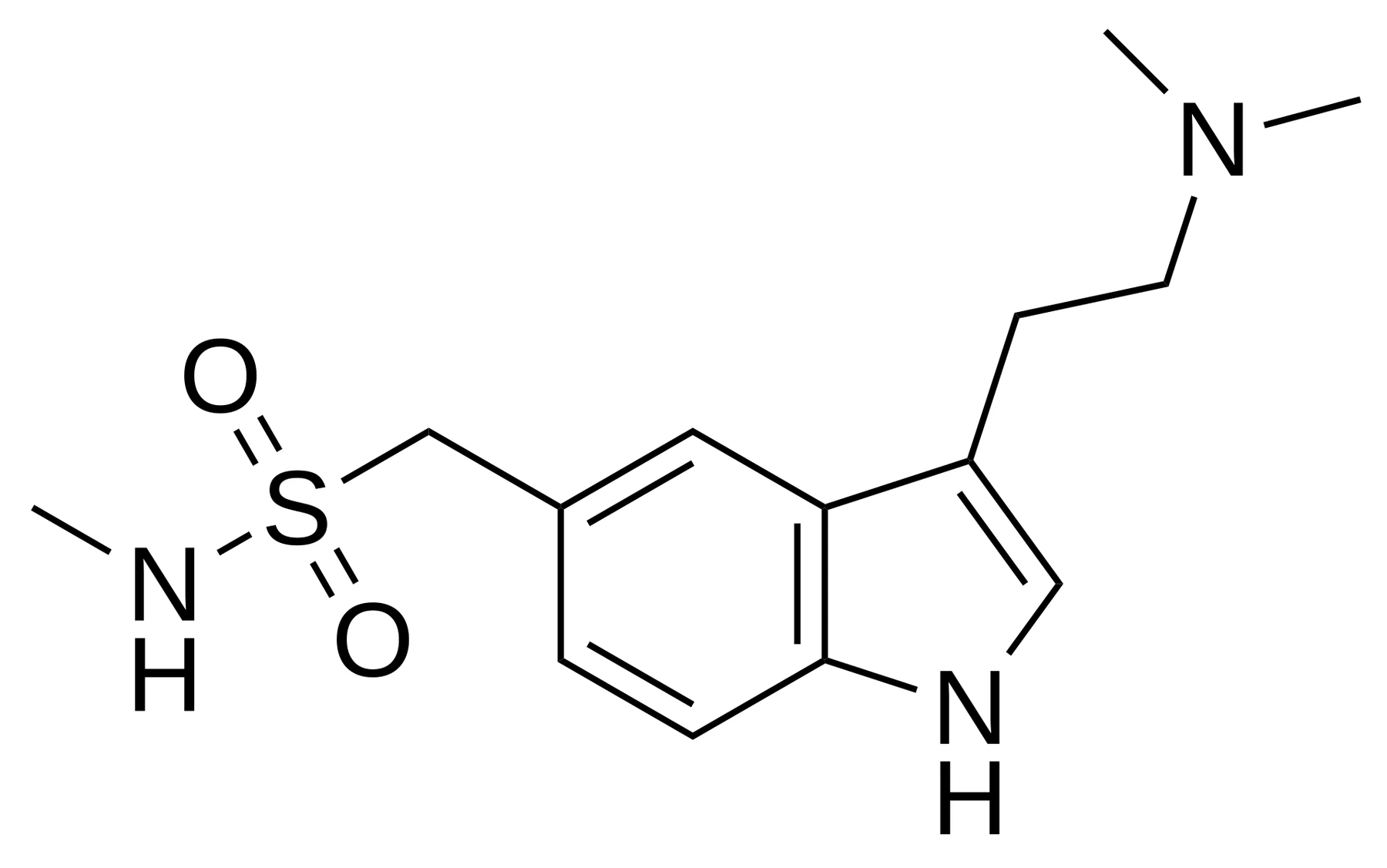
Researchers at Anhui Medical University developed a whole-body physiologically based pharmacokinetic (PBPK) model to examine how organic cation transporter 1 (OCT1) function affects oral sumatriptan exposure. Sumatriptan is used for acute migraine treatment. The 50-mg base model drew on three mixed-genotype clinical studies and was extrapolated to 25 and 100 mg without reestimating drug-specific parameters. OCT1 differences were represented through effective hepatic uptake capacity, Vmax.
For the 50-mg studies, geometric mean fold errors were 1.25 for peak concentration, 1.07 for the area under the concentration–time curve from 0 to 12 hours (AUC0–12 h) and 1.12 for time to peak. Predicted-to-observed ratios across the 25- and 100-mg studies ranged from 0.65 to 1.50. At 50 mg, the predicted exposure ratios for people with no active OCT1 alleles versus those with one or two were 1.81 for peak concentration and 1.82 for AUC0–9 h; the corresponding observed ratios were 1.77 and 2.20.
The model tested 20, 25 and 30 mg in the no-active-allele group against 50 mg in the one-or-two-active-allele group. Both 25 and 30 mg met a predefined 0.80–1.25 matching range for peak concentration and AUC0–9 h, whereas 20 mg did not. The authors identified 25 mg as a feasible exploratory candidate for prospective evaluation. The dose comparison therefore remains a model-based proposal awaiting that evaluation.
Three breast-milk distribution models showed broadly similar performance, but gaps in clinical composition data, in vitro support and population sampling limit their use.
A Pfizer study combined formulation data and healthy-volunteer pharmacokinetics in a PBBM to compare colonic delivery under fed and fasted conditions.