Lactation PBPK Review Identifies Shared Gaps in Milk-Distribution Data
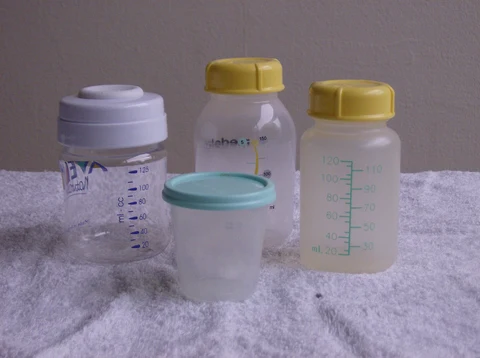
Three breast-milk distribution models showed broadly similar performance, but gaps in clinical composition data, in vitro support and population sampling limit their use.
A Pfizer study combined formulation data and healthy-volunteer pharmacokinetics in a PBBM to compare colonic delivery under fed and fasted conditions.

Researchers studied two modified-release lipid-microsphere formulations of ritlecitinib, a JAK3 and TEC-family kinase inhibitor, to increase delivery to the colon. Healthy volunteers received the formulations under fed and fasted conditions, with an oral solution as the control.
A physiologically based biopharmaceutics model (PBBM) integrated the resulting pharmacokinetic data with ritlecitinib’s physicochemical properties, in vitro release profiles and formulation-specific gastrointestinal transit. It estimated the fraction of the administered dose absorbed in each intestinal compartment.
In the fasted state, predicted colonic fractions were 0.38 ± 0.07 for the faster-releasing formulation and 0.40 ± 0.08 for the slower-releasing formulation, compared with 0.01 ± 0.01 for the solution. Under fed conditions, the slower formulation remained at 0.38 ± 0.07, whereas the faster formulation fell to 0.27 ± 0.09.
The authors conclude that release-rate optimization matters for consistent colonic delivery across prandial states. The study connects formulation properties to regional absorption through modeling supported by human pharmacokinetics. Its outcomes concern delivery in healthy volunteers, with the colonic fractions estimated by PBBM.
Three breast-milk distribution models showed broadly similar performance, but gaps in clinical composition data, in vitro support and population sampling limit their use.
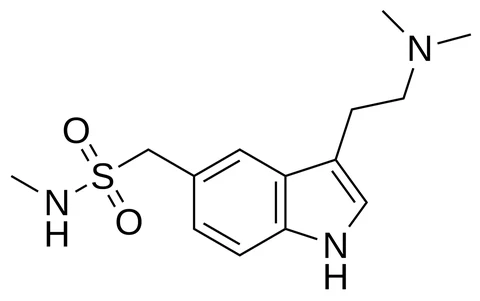
A model built from published clinical data reproduced increased sumatriptan exposure with reduced OCT1 function and explored lower doses for prospective evaluation.