
Miniaturized Pancreatic Cancer Organoids Retain Drug-Sensitivity Rankings
Microencapsulated cultures used 0.5 μL instead of 50 μL while producing similar sensitivity rankings across five standard chemotherapy drugs.
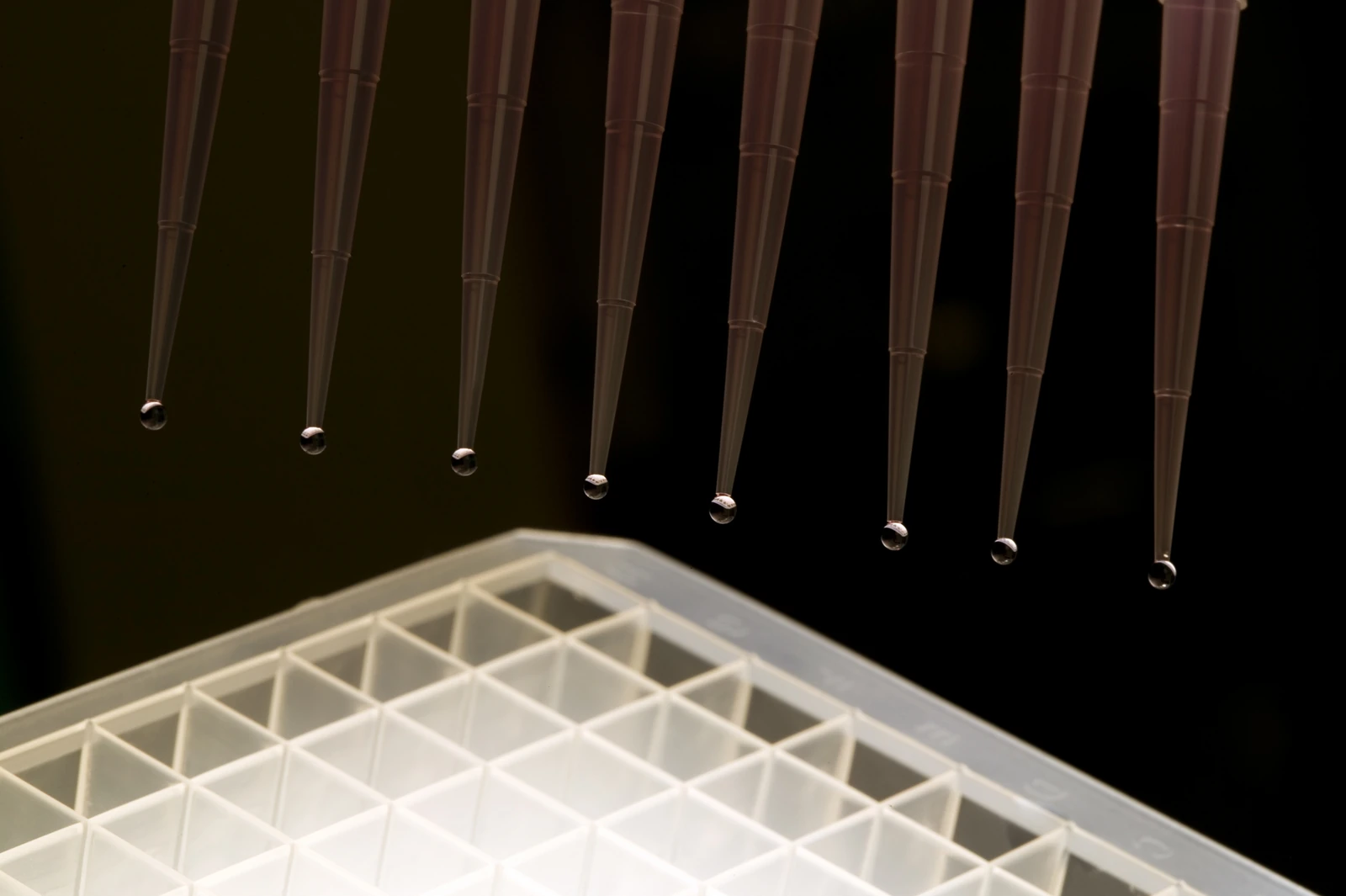
Comparing Culture Volume and Drug Response
Researchers at the University of California, Irvine compared microencapsulated pancreatic cancer organoids with conventional organoid cultures. The study addressed a practical constraint in functional drug testing: enough tumor material must be expanded to support the planned drug comparisons.
Droplet microfluidics reduced the organoid culture volume from 50 μL to 0.5 μL, a 100-fold reduction. The investigators tested five standard-of-care chemotherapy drugs in both formats and compared the resulting drug-sensitivity stratification.
Preserving the Relative Ordering
The sensitivity rankings were nearly identical in the miniaturized and conventional cultures. This result supports using smaller cultures to retain a relative pharmacological comparison while reducing the material required per experimental condition.
The result concerns drug-response ordering across the two culture formats. The investigators propose miniaturization as a way to expand testing capacity and reduce the tumor-material expansion required for pharmacotyping. The paired-format design provides a direct starting point for evaluating whether a smaller assay preserves the biological comparison needed for drug research.