
Multiple Liver-Safety Assays Improve DILI Classification, With a Sensitivity Trade-off
A Genentech-led study combines mechanistic assays and drug properties across 170 reference drugs. Two hazard categories gave 98% specificity but 40% sensitivity; random-forest results depended on exposure information and the decision threshold.
Building a Reference Set for Early Discovery
Researchers at Genentech evaluated a multiparametric strategy for drug-induced liver injury (DILI) risk assessment during small-molecule discovery. The study combined human liver-cell assays, mitochondrial respiration, bile-salt transport, metabolism-related measurements and drug properties. It compared an interpretable hazard-flag approach with random-forest classifiers and examined eight compounds from the company’s own portfolio.
The reference set comprised 170 drugs: 80 DILI-positive and 90 DILI-negative. Positive labels emphasized severe clinical injury, including withdrawn drugs and products carrying boxed warnings. This relatively balanced set made assay comparisons possible, but it differs from the lower prevalence and more varied severity encountered in development. Some labels came from an earlier classification; others were curated from public resources, literature and internal development experience.
Different Assays Capture Different Injury Processes
Cytotoxicity was measured through adenosine triphosphate (ATP) depletion in two systems. Primary human hepatocytes were exposed for 48 hours in a two-dimensional format, while three-dimensional human liver microtissues underwent seven-day treatment with redosing on day 4. The microtissues contained pooled hepatocytes from 10 donors and non-parenchymal cells. The different exposure periods and tissue formats were retained as separate measurements before grouping them into a shared cytotoxicity hazard category.
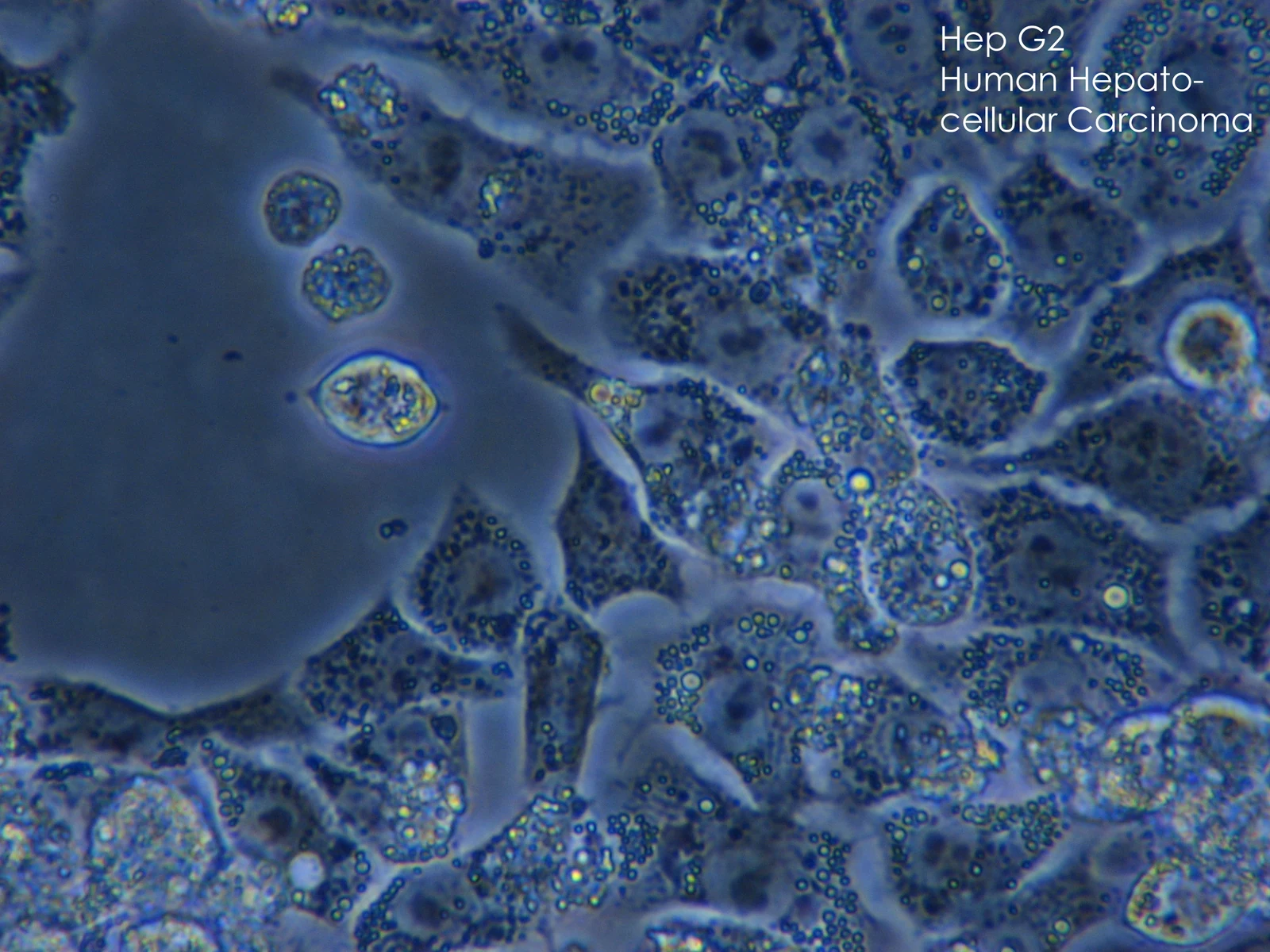
Mitochondrial liability was evaluated in HepG2 cells through basal and maximal oxygen consumption after a two-hour, 25 μM compound exposure. Bile salt export pump (BSEP) inhibition was measured using a vesicular transport assay. Additional features included physicochemical properties, clearance-related measurements and glutathione trapping as an indicator of reactive-metabolite formation.
For the flag analysis, the authors normalized relevant IC50 measurements to total clinical peak plasma concentration (Cmax), or steady-state concentration (Css) when Cmax was unavailable, to calculate margins of safety. Exposure normalization improved the discrimination of several assays. Glutathione trapping remained useful for specific bioactivation questions but was less reliable as a general DILI discriminator across the diverse compound set.
High Specificity Leaves Many Positive Drugs Undetected
The flag strategy counted three mechanistic categories: cytotoxicity, mitochondrial toxicity and BSEP inhibition. The two cytotoxicity formats did not count as two independent categories. At least two categories produced 98% specificity and 40% sensitivity, with a positive likelihood ratio of 18. The high specificity supported a focused high-risk signal, while the sensitivity showed that most DILI-positive reference drugs did not meet this rule.
The random forests incorporated a broader feature set. One model included clinical exposure; another omitted exposure to represent an earlier discovery setting. The models used 100 repetitions of stratified tenfold cross-validation. Each drug appeared in 100 held-out test sets. This design measures stability within the reference collection, rather than performance in a separate external drug collection.
At a classification probability of 0.50, the exposure model had balanced accuracy 0.72, sensitivity 0.71 and specificity 0.72. Without exposure, the corresponding values were 0.60, 0.55 and 0.66. Raising the probability threshold to 0.60 increased specificity to 0.86 and 0.81, respectively, while sensitivity fell to 0.54 and 0.40. Threshold choice therefore changes the balance between follow-up burden and missed liabilities.
Exposure, lipophilicity, maximal respiration inhibition and microtissue cytotoxicity contributed strongly to the exposure-inclusive model. The random forest used the components of exposure-normalized margins rather than adding those correlated margins again. Across repeated tests, 43 reference drugs were predominantly misclassified and 14 were equivocal, showing that a stable prediction can still be wrong.
Portfolio Examples Expose Remaining Gaps
The eight internal examples had different development histories, and only four had known clinical DILI labels. One known-positive compound received an exposure-model probability of 0.47, close to the classification boundary. Another compound had multiple hazard flags but no liver signal during limited phase 1 exposure before development stopped for other reasons. A BSEP-flagged compound was discontinued after biliary injury in rats and dogs, leaving its human outcome unknown.
The eight examples therefore have different levels of human outcome evidence. The authors identify incomplete coverage of immune-mediated injury, moderate liver-enzyme liabilities and individual susceptibility. They propose adding bile-acid-homeostasis, oxidative-stress and immune measurements, with more advanced exposure modeling, to investigate those gaps.