Lactation PBPK Review Identifies Shared Gaps in Milk-Distribution Data
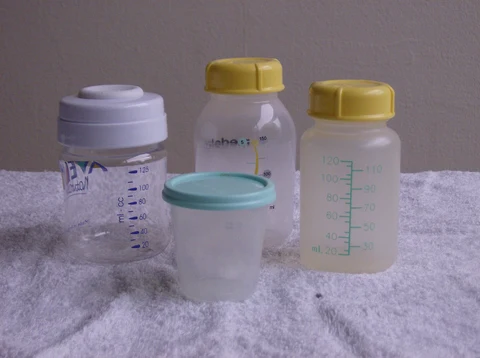
Three breast-milk distribution models showed broadly similar performance, but gaps in clinical composition data, in vitro support and population sampling limit their use.
Approaches & Applications
PBPK, image analysis and predictive models alongside experimental evidence in NAMs and drug evaluation.
Browse pharmacokinetic simulation, image analysis and predictive models used with human-relevant experimental evidence. The collection includes PBPK and related exposure models, as well as tools for quantifying cellular and tissue responses.
Coverage identifies the prediction task, input evidence, reference data and testing scope. Measured observations and model predictions are described separately. Related method profiles are included where the original material supports a defined approach and its evaluation.
Three breast-milk distribution models showed broadly similar performance, but gaps in clinical composition data, in vitro support and population sampling limit their use.
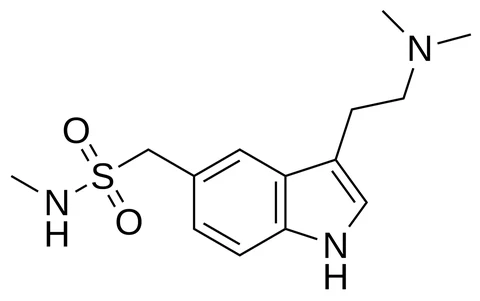
A model built from published clinical data reproduced increased sumatriptan exposure with reduced OCT1 function and explored lower doses for prospective evaluation.
A Pfizer study combined formulation data and healthy-volunteer pharmacokinetics in a PBBM to compare colonic delivery under fed and fasted conditions.
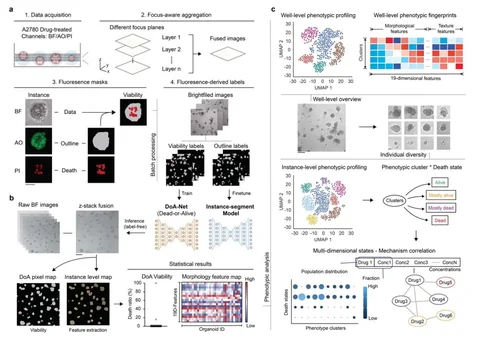
A Westlake University team trained an image-analysis framework with fluorescence-derived labels, then used bright-field images to estimate viability and death patterns. A 24-compound A2780 screen revealed responses that bulk ATP measurements alone did not distinguish.
A retrospective analysis of pharmaceutical regulatory data found better performance for Ames-test (Q)SAR models used in ICH M7 work than for models of mammalian-cell or in vivo genotoxicity. Reliability checks improved performance in some comparisons.
A medRxiv preprint simulated rosuvastatin exposure during ticagrelor coadministration in four age–ABCG2 genotype groups. Exposure-matching results differed by group, but the proposed dose scenarios were not clinically tested.
A review of bright-field and phase-contrast imaging finds different strengths and limits in rule-based, classical machine-learning and deep-learning analysis of spheroids and organoids. Dataset shifts, segmentation failures and two-dimensional projections remain practical concerns.
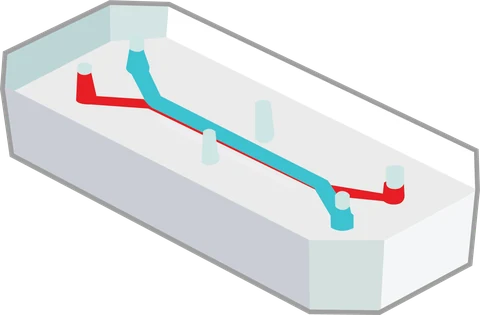
A four-center NIH network is studying transporters in the placenta, mammary gland, pediatric intestine and brain. Its published overview describes how organoids, microphysiological systems and computational models contribute to that research strategy.
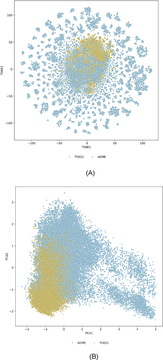
NIH researchers compared ADME@NCATS predictions with laboratory measurements for selected Tox21 compounds. Three basic ADME models reached ROC AUCs of 0.81–0.92; a separate passive blood–brain barrier model reached 0.77. The work supports compound triage, not validated prediction of in vivo toxicity.
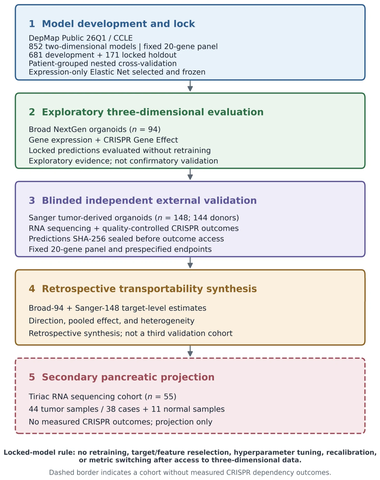
Expression-based models trained on 2D cancer cultures retained a weak ranking signal in independent organoid cohorts. Their added value over tumor-lineage information in the blinded Sanger cohort remained uncertain.
An academic kidney-toxicity model reached an AUC of 0.727 across 247 external compounds. Restricting the analysis to high- or medium-confidence predictions raised AUC to 0.902, but retained only 21.7% of that set.
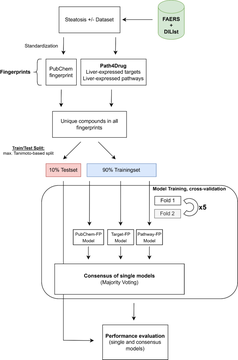
A University of Vienna team compared chemical-structure, target and pathway fingerprints for drug-induced liver steatosis. Biological inputs performed better during internal validation, while accuracy fell on less-similar compounds and a separate 19-drug set.
In an IQ Consortium working-group survey of 45 companies in Asia, the United States and Europe, NAM use was most prevalent in early discovery. Uncertainty about regulatory acceptance and human translatability was cited most often as a barrier.
A six-drug study combines human intestinal organoid injury, epithelial turnover and pharmacokinetic models. Accounting for local intestinal exposure improves agreement with reported clinical diarrhea for drugs whose plasma concentrations understate the modeled intestinal effect.